In the fast-paced world of food service, hospitality, and even advanced home kitchens, managing perishables efficiently is a constant challenge. spoilage means wasted product, lost profits, and compromised quality. This is where a robust Commercial Vacuum Sealer Machine steps in, transforming how businesses approach food preservation, preparation, and presentation. More than just a kitchen gadget, it’s a strategic investment designed to significantly extend shelf life, maintain peak freshness, and streamline operations.
What Exactly is a Commercial Vacuum Sealer Machine?
At its core, a commercial vacuum sealer machine is an indispensable piece of equipment engineered to extract air and seal products within an airtight package, typically plastic bags, but also containers and jars. The magic lies in removing oxygen, the primary culprit behind food spoilage. By eliminating this element, the growth of microorganisms like bacteria and fungi is drastically slowed, preventing oxidation and preserving the food’s natural flavor, vibrant color, firm texture, and essential nutrients. Unlike their consumer-grade counterparts, commercial models are built for durability and continuous, heavy-duty operation, making them a reliable workhorse for any demanding environment.
When selecting a commercial vacuum sealer, durability is paramount. Look for units constructed with high-quality materials, often stainless steel, and featuring robust pumps designed for constant use, ensuring your investment stands the test of time and busy operational demands.
Decoding the Types: Chamber vs. External Commercial Vacuum Sealers
Understanding the two primary types of commercial vacuum sealer machines is crucial for choosing the right one for your specific needs. Each operates differently and excels in various applications.
Chamber Vacuum Sealers: The Powerhouse
Chamber vacuum sealers are the gold standard for professional kitchens and businesses with medium to high-volume sealing requirements, especially if dealing with liquids. With this type of commercial vacuum sealer machine, you place the entire bag, along with its contents, inside a sealed chamber. The machine then removes all the air from the entire chamber simultaneously – both inside and outside the bag. This equalized pressure prevents liquids from boiling or being drawn out of the bag, making them perfect for sealing soups, sauces, marinades, and liquid-rich foods without a mess.
While chamber sealers typically have a higher initial cost, their operating expenses are often lower in the long run because they use smooth, less expensive bags. They offer superior vacuum levels, precise control, and robust performance for continuous use.
External (Out-of-Chamber) Vacuum Sealers: The Flexible Choice
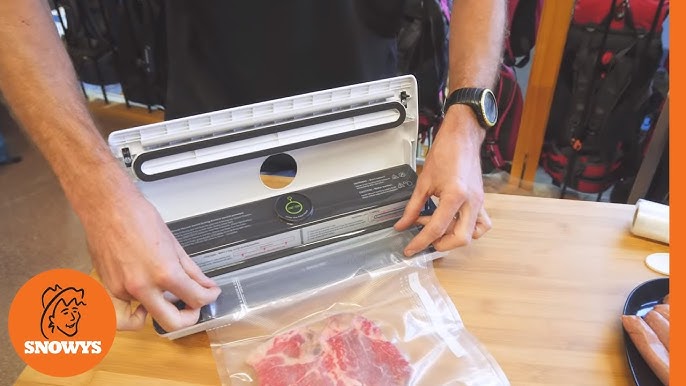
External vacuum sealers, sometimes called suction sealers, are generally more compact and budget-friendly. With these machines, the open end of the bag is placed into a sealing channel outside the unit, and air is directly suctioned out of the bag before it’s sealed. This method works exceptionally well for dry goods, solid foods, and items with minimal moisture content.
However, external vacuum sealers require special textured (embossed) bags to allow air channels for proper suction, which tend to be more expensive than the smooth bags used by chamber models. They are not ideal for sealing liquids unless the liquids are frozen solid first, as the vacuum process can easily pull fluids into the machine, compromising the seal and potentially damaging the unit. External sealers are a great entry point for businesses with lower-volume packaging needs or specific applications that don’t involve a lot of liquids.
Why Your Business Needs a Commercial Vacuum Sealer Machine: Unpacking the Benefits
The advantages of integrating a commercial vacuum sealer machine into your operations are profound, impacting everything from cost savings to culinary excellence.
Dramatically Extend Shelf Life and Reduce Waste
This is arguably the most significant benefit. By removing oxygen, vacuum sealing drastically slows the enzymatic reactions and bacterial growth that lead to spoilage. Refrigerated foods can last 1 to 2 weeks instead of a few days, while frozen items can maintain quality for 2 to 3 years, far surpassing the conventional 6-12 months. This extended shelf life allows businesses to purchase ingredients in bulk at better prices, utilize seasonal produce more effectively, and significantly reduce food waste, directly translating into substantial cost savings.
Preserve Peak Flavor, Texture, and Nutritional Value
Oxygen isn’t just a spoilage accelerant; it also degrades the sensory qualities of food. Vacuum sealing locks in natural juices, flavors, and aromas, preventing them from evaporating or oxidizing. It also protects against freezer burn, a common issue that dries out and discolors frozen foods, ensuring that every dish served retains its intended quality and taste. “A good vacuum seal is like hitting the pause button on freshness,” says Dr. Eleanor Vance, a renowned food science and culinary technology expert. “It’s about delivering consistent, high-quality food every single time.”
Streamline Operations: Batch Cooking, Portion Control, and Marinating
A commercial vacuum sealer machine is a game-changer for kitchen efficiency.
- Large Batch Cooking: Prepare big batches of sauces, stews, or pre-cooked proteins during off-peak hours, vacuum seal them, and store for quick use during busy periods.
- Pre-Portioning: Precisely portion ingredients like meats, cheeses, or even full meal components, ready for grab-and-go or consistent plating. This aids in inventory management and cost control.
- Rapid Marinating: The vacuum process opens the pores of food, drawing marinades deeper and faster, reducing marinating times from hours to minutes. This is a huge advantage for fast-paced culinary operations.
- Sous Vide Cooking: Vacuum-sealed food is a prerequisite for sous vide, allowing for perfectly cooked, tender, and flavorful results every time.
Maximize Storage Space and Organization
Vacuum-sealed bags are compact and flexible, taking up significantly less space than rigid containers. This allows for more efficient use of refrigerator, freezer, and pantry space, which is invaluable in commercial kitchens where space is often at a premium. The clear bags also make inventory quick and easy to identify, improving organization and stock rotation.
Enhance Food Safety and Hygiene
Creating an airtight barrier protects food from external contaminants such as dust, moisture, and cross-contamination. This is critical for maintaining hygiene standards and complying with food safety regulations. By limiting bacterial growth, vacuum sealing also contributes to a safer product for consumers.
Choosing Your Champion: Key Considerations for a Commercial Vacuum Sealer
Selecting the ideal commercial vacuum sealer machine requires careful thought. Here’s what to consider before making your investment:
- Frequency of Use & Volume: How many items will you seal daily? If it’s more than 30, a chamber sealer is usually recommended for its continuous operation capabilities and longevity. For lighter use, an external sealer might suffice.
- Types of Food (Especially Liquids): This is a deciding factor. If you frequently seal liquids, sauces, or marinated items, a chamber vacuum sealer is essential. External sealers are best reserved for solids unless liquids are frozen first.
- Machine Durability & Pump Type: Commercial units are built tough. Look for stainless steel construction. The pump is the heart of the machine:
- Oil Pumps: More durable, designed for heavy and continuous use, but require routine oil changes and maintenance.
- Dry Pumps: Less maintenance, but can overheat with continuous use, making them less suitable for high-volume operations.
- Bag Compatibility & Cost: Chamber sealers use smooth, generally cheaper bags. External sealers require textured, more expensive bags. Factor bag costs into your overall operational budget.
- Size and Footprint: Commercial units vary greatly in size. Consider your available counter space or floor space. Do you need a compact tabletop model or a larger floor-standing double-chamber unit?
- Advanced Features: Look for programmable settings for consistent results across different products, a pulse mode for delicate items, and potentially gas flush capabilities for protecting fragile foods like chips. Some chamber models even offer external vacuum ports for sealing jars or containers.
Mastering Your Commercial Vacuum Sealer: Tips for Optimal Use
Getting the most out of your commercial vacuum sealer machine involves a few best practices:
- Preparation is Key: Always ensure the sealing area of your bag is clean and dry. Any food particles or moisture can prevent a perfect, airtight seal. Pre-chill items if possible to prevent excessive liquid draw-up during vacuuming (for external sealers).
- Don’t Overfill: Leave adequate space (typically 2-3 inches) between the food and the top of the bag for a secure seal. Overfilling can lead to incomplete seals.
- Regular Maintenance: Follow the manufacturer’s guidelines for cleaning and maintenance. For oil-pump chamber sealers, regular oil changes are crucial for optimal performance and longevity. Keep the sealing bar and gasket clean to ensure consistent seals.
Frequently Asked Questions (FAQ)
Q: What is the main difference between a commercial and a home vacuum sealer?
A: Commercial vacuum sealers are designed for continuous, heavy-duty use with more powerful pumps, robust construction, and often greater capacity than home models. They are built for durability and demanding business environments.
Q: Can I seal liquids with a commercial vacuum sealer machine?
A: Yes, chamber vacuum sealers are specifically designed to seal liquids and liquid-rich foods without spillage, as they equalize pressure inside the entire chamber. External vacuum sealers can only seal liquids if they are frozen first.
Q: Do commercial vacuum sealers save money for businesses?
A: Absolutely. By extending the shelf life of ingredients, reducing spoilage and waste, enabling bulk purchasing, and streamlining food preparation, a commercial vacuum sealer machine can lead to significant cost savings over time.
Q: What types of businesses benefit most from a commercial vacuum sealer?
A: Restaurants, catering companies, butcher shops, delis, food manufacturers, and any establishment that deals with perishable goods or large-volume food preparation can greatly benefit from a commercial vacuum sealer.
Q: What are the best bags to use with a commercial vacuum sealer?
A: Chamber vacuum sealers use smooth, generally more affordable bags. External vacuum sealers require textured (embossed) bags to allow air to be drawn out. Always use bags specifically designed for vacuum sealing and compatible with your machine type.
Q: Can vacuum-sealed food be used for sous vide cooking?
A: Yes, vacuum sealing is an ideal method for preparing food for sous vide cooking. It ensures even cooking and allows flavors to infuse thoroughly.
Conclusion
Investing in a commercial vacuum sealer machine is more than just buying a piece of equipment; it’s a commitment to efficiency, quality, and profitability for your business. From dramatically extending the freshness of your ingredients and cutting down on costly waste to streamlining your kitchen workflow and elevating your culinary capabilities, the benefits are undeniable. By understanding the types, features, and optimal usage, you can confidently choose the perfect machine to meet your unique operational demands and unlock a new level of food preservation excellence. Take the plunge and discover how this powerful tool can transform your business, ensuring every ingredient and every dish maintains its pristine quality.