If you’re serious about food preservation, meal prepping, or simply keeping your groceries fresher for longer, then a Weston Vacuum Sealer is likely on your radar. These robust machines are renowned for their commercial-grade performance, bringing industrial-strength sealing right into your home kitchen. Gone are the days of flimsy bags and weak seals; a Weston unit is designed to tackle everything from delicate berries to game meats with unwavering efficiency. Let’s dive deep into why a Weston vacuum sealer is a game-changer and how to make the most of this powerful kitchen ally.
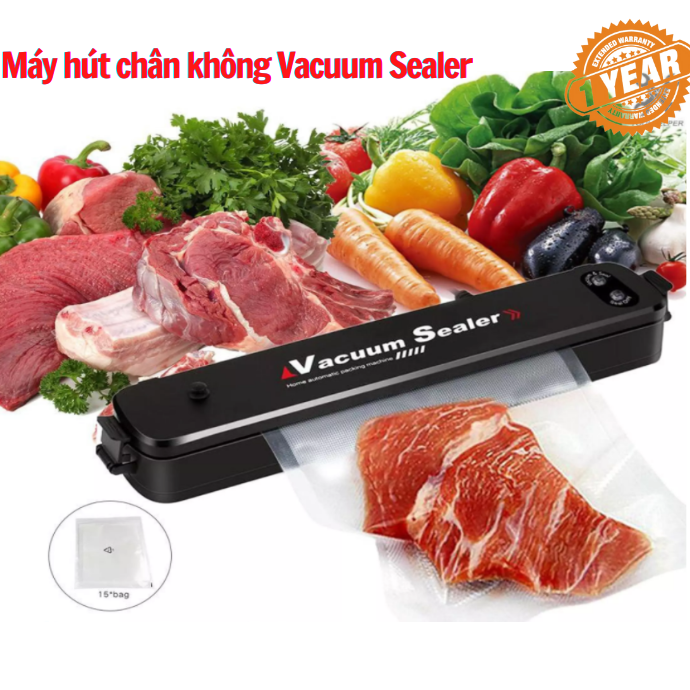
What Makes a Weston Vacuum Sealer Stand Out?
When you choose a Weston vacuum sealer, you’re not just buying another kitchen gadget; you’re investing in a powerhouse of preservation. Unlike many consumer-grade sealers, Weston models are built to last, featuring heavy-duty construction and powerful motors that can handle continuous use without breaking a sweat. This dedication to durability and performance is what sets them apart.
Why Invest in a Heavy-Duty Sealer?
Think about it: whether you’re processing a harvest from your garden, preparing large cuts of meat for the freezer, or simply buying in bulk to save money, you need a sealer that can keep up. A typical grocery store trip often means wasted food if it’s not properly stored. A Weston unit dramatically extends the shelf life of your food, preventing freezer burn, and locking in flavor and nutrients. This means less food waste and more savings in the long run, making the Weston vacuum sealer an invaluable tool for any diligent home cook or outdoor enthusiast.
The Power Behind the Seal
The secret sauce of a Weston vacuum sealer lies in its engineering. These machines often boast high-performance pumps and extra-wide, single or double piston seal bars that create a strong, consistent, and airtight seal every single time. This powerful vacuum extraction removes almost all air from the bag, which is the enemy of fresh food. This robust sealing capability means your food is truly protected, whether it’s stored in the freezer, refrigerator, or pantry.
Choosing Your Perfect Weston Vacuum Sealer Model
Weston offers a range of vacuum sealers, each designed to meet different needs. From formidable commercial-grade machines to more compact (but still powerful) options, there’s a Weston vacuum sealer for every kitchen and lifestyle.
Weston Pro-Series: For the Serious Preserver
The Pro-Series, including popular models like the Weston Pro-2300 and Pro-2500, are legends in the home vacuum sealing world. These are often considered the go-to for hunters, fishermen, and families who process large quantities of food. They feature extra-wide seal bars (often 15 inches or more), powerful cooling fans for continuous use, and durable stainless-steel housing. If you’re looking for industrial performance at home, a Pro-Series Weston vacuum sealer is your best bet.
Compact Options for Everyday Use
While Weston is known for its heavy-duty models, they also offer more compact units that are perfect for daily meal prep or smaller households. These still retain the Weston reputation for quality and strong seals but come in a more countertop-friendly footprint. They are excellent for vacuum sealing leftovers, portioning meals, or preserving snacks.
Chamber Sealers: A Professional Edge
For those who demand the absolute best in vacuum sealing, Weston also produces chamber vacuum sealers. These units operate differently by vacuuming the air out of the entire chamber rather than just the bag itself. This allows you to seal liquids and delicate foods without crushing them, making them a favorite in professional kitchens and for avid sous vide enthusiasts. A chamber Weston vacuum sealer takes food preservation to the next level.
Getting Started: How to Use Your Weston Vacuum Sealer Effectively
Using a Weston vacuum sealer might seem intimidating at first, given its robust appearance, but the process is surprisingly straightforward. A little preparation goes a long way in ensuring perfect seals every time.
Preparation is Key: A Quick Checklist
Before you even touch your Weston, take a moment to prepare your food and bags:
- Clean and Dry: Ensure food surfaces are clean and as dry as possible. Moisture near the seal area can compromise the seal.
- Chill if Possible: Chilling food before sealing can help prevent the drawing of liquids during the vacuum process.
- Portion Wisely: Divide food into meal-sized portions to avoid re-sealing later, which exposes food to air again.
- Leave Headroom: Always leave at least 3 inches of space between the food and the top of the bag for a clean, strong seal.
- Label and Date: Don’t forget to mark your bags with the contents and date before freezing or storing.
Step-by-Step Sealing Process
- Cut Your Bag: If using a roll, cut the bag to the appropriate length, ensuring enough space above the food.
- Seal One End: Place one end of the bag onto the sealing bar and initiate a seal. This creates your bottom seam.
- Fill the Bag: Place your food into the newly formed bag, leaving sufficient headroom.
- Position for Vacuum: Place the open end of the bag into the vacuum channel of your Weston vacuum sealer. Ensure the bag is flat and smooth, with no wrinkles that could interfere with the seal.
- Close and Lock: Close the lid of the sealer and engage the locking mechanism (if applicable).
- Start Vacuum/Seal: Press the “Vacuum & Seal” button. The machine will draw out the air and then automatically seal the bag once the vacuum is complete.
- Release: Once the process is finished, release the lid and remove your perfectly sealed food.
Tips for Optimal Sealing
For liquids or moist foods, a handy trick is to pre-freeze them slightly on a baking sheet before sealing. This solidifies any liquids and prevents them from being sucked into the vacuum pump, which can damage your Weston vacuum sealer and compromise the seal. You can also place a paper towel at the top of the bag, between the food and the seal area, to absorb any excess moisture.
Unlock the Full Potential: Beyond Basic Preservation
A Weston vacuum sealer is more than just a tool for freezing food; it’s a versatile appliance that can revolutionize your kitchen habits and cooking techniques.
Extending Shelf Life and Preventing Freezer Burn
This is the primary benefit, of course. By removing oxygen, vacuum sealing dramatically slows down spoilage and bacterial growth. This means your meats, vegetables, and even baked goods stay fresh significantly longer than with traditional storage methods. Say goodbye to freezer burn, that icy nemesis that degrades the texture and flavor of frozen food. A Weston ensures your food tastes as good as the day you packed it.
Sous Vide and Rapid Marinating Made Easy
For culinary enthusiasts, a Weston vacuum sealer opens up a world of possibilities. Sous vide cooking, where food is cooked precisely in a water bath, relies on vacuum-sealed bags to achieve perfect, consistent results. Additionally, the intense vacuum pressure helps to rapidly infuse marinades into meats and vegetables, drastically cutting down marinating time from hours to just minutes.
Bulk Buying and Meal Prep Mastery
If you love to buy groceries in bulk, a Weston sealer is your best friend. You can divide large quantities into smaller, manageable portions, sealing them for later use. This not only saves money but also makes meal prepping a breeze. Imagine having perfectly portioned chicken breasts or vegetables ready to go for quick weeknight dinners.
Troubleshooting Common Weston Vacuum Sealer Issues
Even the most reliable machines can sometimes encounter a hiccup. Here are quick answers to some common issues you might face with your Weston vacuum sealer.
Why Isn’t My Bag Sealing Properly?
Often, a poor seal is due to moisture, food debris, or wrinkles in the bag’s sealing area. Ensure the bag is dry and clean where it touches the heat bar, and always lay it flat. Sometimes, the sealing strip or gaskets may need cleaning or replacing if they are worn.
Dealing with Moisture and Liquids
For foods with high moisture content, try freezing them partially before sealing. This prevents liquids from being drawn into the vacuum channel. Another effective method is to use a paper towel placed just below the sealing area inside the bag to act as a moisture barrier.
Expert Advice for Long-Lasting Freshness
“The key to truly maximizing your food’s lifespan with a vacuum sealer isn’t just about the machine itself, but how you use it,” advises Dr. Eleanor Vance, a leading food science researcher specializing in preservation techniques. “Always ensure your bags are clean, dry, and free of punctures. Consistent maintenance of your Weston vacuum sealer—like cleaning the seal bar and gaskets—will guarantee optimal performance and extend the freshness of your food for years to come.”
Frequently Asked Questions (FAQ)
How often should I clean my Weston Vacuum Sealer?
It’s best to clean your Weston vacuum sealer after each use, especially if any food particles or liquids come into contact with the vacuum channel or seal bar. A quick wipe with a damp cloth is usually sufficient.
Can I use any brand of bags with my Weston Vacuum Sealer?
While Weston brand bags are recommended for optimal performance, most universal, textured vacuum sealer bags and rolls are compatible with external vacuum sealers like the Weston Pro-Series. For chamber sealers, smooth, non-textured bags are typically used.
What’s the difference between an external and chamber sealer?
An external Weston vacuum sealer draws air directly from the bag, while a chamber sealer removes air from the entire chamber, including the bag. Chamber sealers are ideal for liquids and delicate items as they prevent crushing and drawing liquids into the machine.
Is a Weston Vacuum Sealer worth the investment?
Absolutely! For anyone regularly preserving food, buying in bulk, or using advanced cooking methods like sous vide, the durability, power, and efficiency of a Weston vacuum sealer make it a worthwhile investment that pays for itself over time by reducing food waste.
How do I vacuum seal delicate foods?
For delicate foods like berries or soft bread, use the “pulse” function (if your Weston vacuum sealer has one). This allows you to control the vacuum manually and stop it just before the food gets crushed, then proceed to seal.
Embrace the Weston Advantage
Investing in a Weston vacuum sealer is a decision to embrace a smarter, more efficient way of managing your kitchen and preserving your food. From preventing dreaded freezer burn to unlocking gourmet cooking techniques, the benefits are clear. You’ll not only extend the life and flavor of your food but also reduce waste and save money in the long run. So, get ready to transform your food storage game and experience the robust power and reliability that only a Weston vacuum sealer can deliver. It’s time to seal in the freshness and savor every bite!