Tired of seeing your pantry staples lose their freshness too quickly? Imagine a world where your dry goods stay crisp, your spices retain their aroma, and your dehydrated treats keep their crunch for months, even years. This isn’t a fantasy; it’s the reality a Vacuum Sealer For Jars brings to your kitchen. This innovative tool isn’t just about extending shelf life; it’s about transforming your food preservation game, reducing waste, and keeping your pantry perfectly organized. Get ready to unlock the secrets to keeping your food fresher, longer, with the power of vacuum sealing in jars.
What Exactly is a Vacuum Sealer for Jars and Why Bother?
At its core, a vacuum sealer for jars is a specialized accessory, often paired with a standard vacuum sealer machine or operating as a standalone unit, designed to remove air from rigid glass jars. Unlike vacuum sealing bags, which are flexible, jars offer a robust, stackable, and reusable container for your food. The magic happens when nearly all the oxygen is extracted from the jar, creating a near-vacuum environment.
Why should you bother with this extra step when simple lids exist? The answer lies in the dramatic difference it makes to food quality and longevity. Oxygen is the enemy of freshness, promoting spoilage, oxidation, and the growth of mold and bacteria. By eliminating it, you significantly slow down these processes, safeguarding your food’s flavor, texture, and nutritional value. From dry ingredients like flour and coffee beans to dehydrated fruits and even prepped meals, a vacuum sealer for jars helps them defy the conventional timeline of decay.
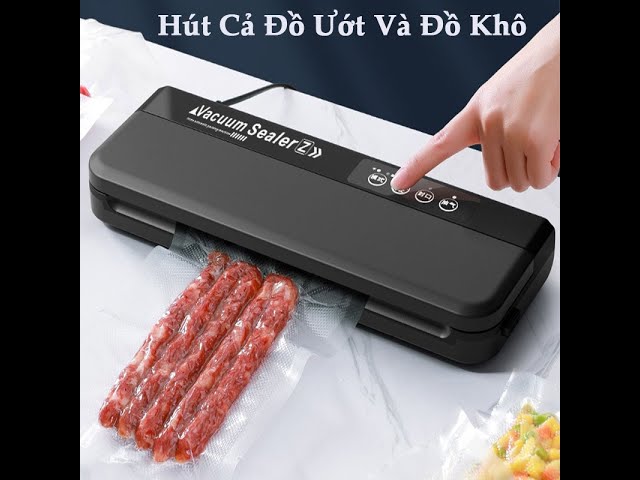
For those curious about the wider world of vacuum sealing, a quality general-purpose vacuum sealer machine is often the heart of such a system. These versatile machines typically work with specialized bags, but many models also feature an accessory port that connects to a jar sealer attachment, bridging the gap between flexible and rigid food storage. This adaptability makes them a valuable addition to any modern kitchen focused on smart food management and waste reduction.
The Lifesaver for Your Pantry: Key Benefits of Vacuum Sealing Jars
Incorporating a vacuum sealer for jars into your kitchen routine offers a wealth of advantages, turning casual cooks into seasoned preservationists.
Extend Shelf Life Significantly
One of the most compelling reasons to use a vacuum sealer for jars is its ability to drastically extend the shelf life of your food. By removing oxygen, the primary culprit in food degradation, you create an environment where many spoilage-causing elements struggle to thrive. Dry goods like rice, pasta, beans, lentils, oats, nuts, and seeds can last for months to a year or even longer when properly sealed and stored. Dehydrated fruits and vegetables also retain their crispness and flavor for extended periods. Imagine buying grains in bulk, knowing they’ll remain fresh until you’re ready to use them, rather than worrying about them going stale.
Banish Pests and Moisture
A vacuum-sealed jar acts as an impenetrable fortress against pantry pests. Without air gaps, insects and rodents simply cannot access your food, protecting your investments and preventing frustrating infestations. Beyond pests, vacuum sealing provides superior moisture control. This is particularly beneficial for ingredients prone to clumping, like brown sugar or flour, ensuring they remain free-flowing and ready for use. It’s like giving your food its own dry, secure sanctuary.
Preserve Peak Freshness and Flavor
Oxygen doesn’t just spoil food; it also degrades its quality. Fats and oils in nuts and seeds can turn rancid when exposed to air, losing their delicious, rich flavor. Herbs and spices, vital for culinary creations, can lose their potency and aroma over time. Vacuum sealing prevents this oxidation, locking in the natural flavors, vibrant colors, and delicate fragrances of your ingredients. Your homemade granola will stay crunchy, and your coffee beans will retain their robust aroma, making every meal a more delightful experience.
Organize Your Pantry Like a Pro
Beyond preservation, vacuum-sealed jars bring an aesthetic and functional upgrade to your pantry. Clear glass jars allow you to easily see your inventory at a glance, eliminating the mystery of “what’s in that opaque container?” Uniformly sized jars, once sealed, stack neatly, maximizing shelf space and creating a tidy, efficient storage system. Labeling each jar with its contents and the sealing date helps you manage your stock with ease, ensuring a well-organized and efficient kitchen.
Choosing Your Weapon: Types of Vacuum Sealer for Jars
When it comes to selecting the right vacuum sealer for your jars, you have a few excellent options, each with its own advantages.
External Vacuum Sealers with Jar Attachments
These are perhaps the most popular choice for home users. An external vacuum sealer machine, typically used for sealing foods in special bags, often comes with an accessory port. You connect a hose from this port to a dedicated jar sealer attachment, which then fits over your mason jar lid. These attachments are available for both regular and wide-mouth jars.
Pros: This setup offers versatility, as the main unit can also be used for sealing bags, making it a multi-purpose tool. They are generally user-friendly and widely available.
Cons: The main vacuum sealer unit can be a bit bulky, taking up counter or storage space.
Handheld & Electric Jar Sealers
For those with limited space or who only need to seal jars occasionally, handheld and compact electric jar sealers are a fantastic alternative. These devices are self-contained, often battery-operated or plug-in units, that sit directly on top of your jar and draw out the air with the press of a button.
Pros: Highly portable, compact, and very convenient for quick sealing tasks or smaller batches. They are a good entry point for jar vacuum sealing without a larger machine.
Cons: May have less powerful vacuum suction compared to full-sized machines, and might require specific jar lids or brands.
Chamber Vacuum Sealers
Considered the professional standard, chamber vacuum sealers operate differently. Instead of drawing air out of a bag or jar from the outside, the entire jar is placed inside a chamber, and the air is evacuated from the entire chamber.
Pros: They achieve a much stronger and more consistent vacuum, making them ideal for delicate items or even liquids (though liquids are less common for jars that sit on a shelf). Some models are even large enough to accommodate pint-sized mason jars directly within the chamber, eliminating the need for an external attachment.
Cons: Chamber sealers are significantly more expensive and much larger than external or handheld models, typically reserved for serious home cooks or commercial use.
Step-by-Step: How to Effectively Vacuum Seal Jars
Mastering the art of vacuum sealing jars is simpler than you might think. Follow these steps for optimal results:
Preparation is Key
- Clean and Dry Jars and Lids: Start with clean mason jars and new, flat metal canning lids. Ensure both the jars and especially the rims are spotless and completely dry. Even a tiny crumb or moisture droplet can compromise the seal.
- Fill Your Jars Appropriately: Place your dry goods, dehydrated foods, or cooled cooked items into the jars. Leave about 1/2 to 1 inch of headspace between the food and the top of the jar. This space is crucial for the vacuum to form correctly and prevents food from being sucked into the sealer.
- Cool Hot Foods: If you are sealing cooked items (which should then be refrigerated), always allow them to cool completely to room temperature before sealing. Hot foods can create steam, which can prevent a proper vacuum seal from forming and may pose a safety risk.
The Sealing Process
- Position the Lid: Place a new, flat metal canning lid squarely on top of the jar. You do not need the screw band during the sealing process itself, as the vacuum will hold the lid in place.
- Attach the Sealing Device: If using an external vacuum sealer, connect the accessory hose to your machine and then firmly place the appropriate jar sealer attachment (wide-mouth or regular-mouth) over the lid of the jar. For handheld units, simply place the device directly on the lid, ensuring a snug fit. If you are using a chamber vacuum sealer, place the entire jar inside the chamber, making sure it fits and the lid is properly positioned.
- Activate Your Sealer: Turn on your vacuum sealer. If using an external or handheld electric unit, press the “vacuum” or “start” button. For manual pumps, pump steadily until you feel significant resistance. You’ll often hear a distinct change in the machine’s sound or feel the lid firmly adhere to the jar.
Checking and Storing Your Sealed Jars
- Check the Seal: Once the sealing cycle is complete, carefully remove the jar sealer attachment. To verify the seal, try to lift the lid with your fingers without touching the jar. A properly vacuum-sealed lid will be firmly sucked down and will not budge or “pop” when pressed in the center. If it moves, the seal is compromised, and you’ll need to repeat the process with a new lid.
- Label and Store: Once you confirm a good seal, you can (optionally) screw on a metal band for added security during storage. Label each jar clearly with its contents and the date it was sealed. Store your vacuum-sealed jars in a cool, dark, and dry place, such as a pantry or cupboard, to maximize their shelf life. Remember, items requiring refrigeration (like sauces or cooked meats) must still be kept in the fridge after vacuum sealing.
Expert Tips and Common Pitfalls to Avoid
Even with the right equipment, a few insider tips can elevate your jar sealing success and help you sidestep common mistakes.
What NOT to Vacuum Seal in Jars
While incredibly versatile, a vacuum sealer for jars isn’t suitable for every food. Avoid vacuum sealing fine powders like sugar, salt, or tomato powder directly. As Dr. Eleanor Vance, a leading food science expert and preservation specialist, often cautions, “These finely ground ingredients can compact into solid bricks under vacuum pressure, making them almost impossible to use later.” [cite: 2-2, 5-4, 5-5] Furthermore, they can be drawn into your machine, causing damage. For such items, placing a small piece of paper towel over the contents before applying the lid, or even putting them in a small ziplock bag inside the jar, can help.
Crucial Distinction: Vacuum Sealing is NOT Canning! It’s vital to understand that vacuum sealing mason jars is not a substitute for traditional heat canning (water bath or pressure canning) for foods that require shelf-stable storage at room temperature, especially low-acid foods like vegetables, meats, or certain sauces. Vacuum sealing removes air but does not kill spoilage-causing bacteria, yeasts, and molds that can thrive in an anaerobic environment. Foods that would normally need refrigeration or freezing still require it after being vacuum sealed in a jar. Always adhere to established food safety guidelines for home preservation. [cite: 1-2, 1-3, 2-4, 3-2, 3-4, 5-4]
Troubleshooting Stubborn Seals
Even seasoned users encounter a stubborn seal occasionally. If your jar isn’t sealing:
- Re-clean the Rim: Double-check the jar rim and the lid’s sealing compound for any tiny food particles, moisture, or cracks.
- Try a New Lid: Lids are designed for single use for best results. Sometimes a slightly bent or previously used lid won’t seal effectively.
- The “Two Lids” Trick: For particularly troublesome jars, some experienced preservers suggest placing two new flat lids on the jar before applying the sealer attachment. The top lid often comes off with the attachment, leaving a securely sealed bottom lid. [cite: 2-5, 5-5]
Pro-Tips for Specific Foods
- For Powders: As mentioned, a small piece of paper towel or even a coffee filter placed on top of powdery ingredients before sealing can prevent them from being sucked into your vacuum sealer.
- For Delicate Items: If your vacuum sealer has a “pulse” function, use it for delicate items like berries or chips. This allows you to control the vacuum strength manually, preventing crushing while still removing sufficient air.
- For Moist Foods (Refrigerated): When vacuum sealing cooked items like sauces or relishes that you intend to refrigerate, ensure they are thoroughly cooled. Leaving adequate headspace (at least an inch) is even more critical to prevent liquids from being drawn into the machine.
Frequently Asked Questions About Vacuum Sealing Jars
Q1: Can I vacuum seal any type of jar?
A: While mason jars with two-piece canning lids are ideal for vacuum sealing with attachments, some methods can also work for other jars with rubber-lined screw-on lids (like spaghetti sauce jars) if they fit inside a chamber sealer or with specific canister methods. However, for reliability, standard mason jars are recommended.
Q2: How long does food last when vacuum sealed in jars?
A: The shelf life extension varies by food type. Dry goods like rice, pasta, and beans can last several months to a year or even longer in a cool, dark pantry. Dehydrated items can also see significant extensions. Remember, vacuum sealing slows spoilage but doesn’t stop it indefinitely, and refrigerated items must remain refrigerated.
Q3: Is vacuum sealing jars safe for all foods?
A: No. Vacuum sealing is excellent for dry goods, dehydrated foods, and items that will be refrigerated or frozen. It is NOT safe for low-acid foods (like most vegetables, meats, or soups) meant for shelf-stable storage at room temperature, as it does not eliminate the risk of botulism or other dangerous bacteria. Always follow safe canning guidelines for shelf-stable wet foods.
Q4: Do I need special lids for vacuum sealing jars?
A: For external vacuum sealer attachments, you typically use standard, new metal canning lids (the flat, disc-shaped part). Some specialized reusable lids are also available. Ensure the lids are compatible with your vacuum sealer system for the best seal.
Q5: Can I reuse vacuum sealed jar lids?
A: Traditional metal canning lids are designed for single-use when creating a heat-processed, shelf-stable seal. While they might seal multiple times with a vacuum sealer for dry goods, their sealing compound can degrade, leading to unreliable seals. It’s generally recommended to use new lids for consistent, strong vacuum seals, especially for longer-term storage.
The VacuumSealerPro.vn Takeaway
Embracing a vacuum sealer for jars is more than just buying a kitchen gadget; it’s adopting a smarter, more sustainable approach to food management. From protecting your pantry from pests and moisture to preserving the peak freshness of your favorite ingredients, the benefits are clear and impactful. Whether you’re a seasoned prepper, a bulk shopper, or simply someone who wants to enjoy delicious, fresh food for longer, adding a vacuum sealer for jars to your toolkit is a game-changer. Take the leap, experiment with your favorite dry goods, and discover the joy of an organized, waste-free kitchen. Your food, and your wallet, will thank you.