Imagine a world where your groceries last weeks, not days. Where “freezer burn” is a forgotten term, and your meal prep takes on a whole new level of efficiency. This isn’t a futuristic dream; it’s the everyday reality enabled by a Vacuum Food Sealer Machine. For anyone passionate about preserving food, saving money, and enjoying delicious meals, this kitchen powerhouse is an absolute game-changer, transforming how you store, cook, and appreciate your food.
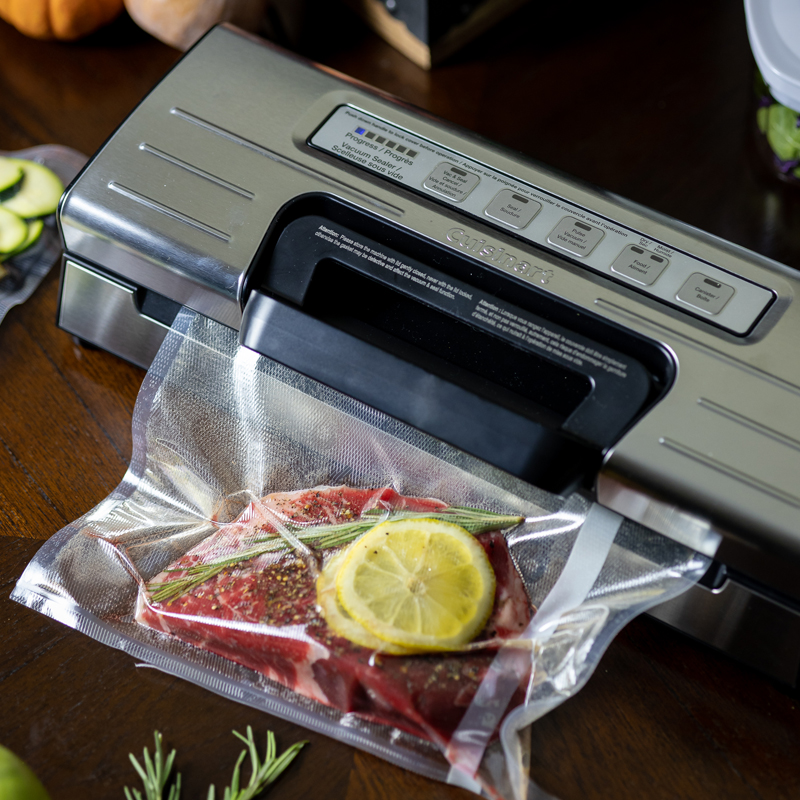
What Exactly is a Vacuum Food Sealer Machine and Why Do You Need One?
At its core, a vacuum food sealer machine is a smart kitchen appliance designed to remove air—specifically oxygen—from a package before sealing it completely. This simple yet ingenious process creates an airtight environment around your food, drastically slowing down the natural spoilage process. Why is oxygen the enemy? Because it’s a key ingredient for the growth of aerobic bacteria, mold, and yeast, which are the main culprits behind food going bad, losing flavor, and developing dreaded freezer burn.
Think of it as hitting the “pause” button on nature. By eliminating oxygen, your vacuum food sealer machine helps food maintain its peak freshness, taste, and nutritional value for significantly longer periods than traditional storage methods.
Benefits Beyond Belief: The Power of Your Vacuum Food Sealer
Investing in a vacuum food sealer machine isn’t just about gadget ownership; it’s about unlocking a cascade of benefits that impact your wallet, your time, and your taste buds.
Extended Freshness & Shelf Life
This is arguably the most compelling reason to own a vacuum sealer. By removing oxygen, these machines can extend the shelf life of refrigerated foods from a few days to 1-2 weeks, and frozen foods from 6-12 months to an impressive 2-3 years. Imagine buying seasonal produce in bulk or catching a great sale on meat, knowing it will stay perfectly fresh until you’re ready to use it.
Banishing Freezer Burn
Freezer burn occurs when food is exposed to air, leading to dehydration and ice crystal formation that degrades texture and flavor. A vacuum food sealer machine creates an impenetrable barrier, preventing this common freezer foe and ensuring your food tastes as good as the day you sealed it.
Flavor, Nutrition, and Texture Preservation
Beyond just longevity, vacuum sealing locks in the intrinsic quality of your food. Without oxygen, oxidation processes that diminish vitamins and alter taste, texture, and color are minimized. Your vibrant vegetables stay vibrant, your juicy steaks stay juicy, and delicate herbs retain their aromatic punch.
Smart Savings & Waste Reduction
Food waste is a huge problem, both environmentally and financially. A vacuum food sealer machine empowers you to buy in bulk, portion out meals, and preserve leftovers, dramatically reducing the amount of food that ends up in the bin. This directly translates to substantial savings on your grocery bill over time.
Space Optimization
Bulky containers can quickly overwhelm your fridge and freezer. Vacuum-sealed bags conform to the shape of your food, allowing for compact, efficient stacking. This clever trick maximizes your storage space, making organization a breeze.
Culinary Expeditions: Marinating & Sous Vide
For the adventurous home chef, a vacuum sealer is an indispensable tool. It significantly speeds up marinating times by forcing marinades deep into the food fibers, meaning you can achieve rich flavors in as little as 30 minutes. And for perfect, restaurant-quality results, sous vide cooking relies entirely on precisely sealed, air-free packages.
“A good vacuum food sealer machine isn’t just about preventing spoilage; it’s about elevating your entire culinary experience,” says Dr. Eleanor Vance, a leading food science expert. “From meal prepping to advanced cooking techniques, it truly empowers you in the kitchen.”
Navigating the Options: Types of Vacuum Food Sealer Machines
Just like choosing the right knife, selecting the best vacuum food sealer machine depends on your specific needs and kitchen habits. There are primarily three types to consider:
External (Suction) Sealers
These are the most common and budget-friendly options, ideal for home kitchens and occasional use. With an external sealer, you place the open end of a specially designed textured bag onto the machine’s sealing strip. The machine then sucks the air out of the bag and applies heat to create a strong, airtight seal. They are fantastic for dry goods, solid foods, and even slightly moist items, but less suitable for significant liquids, which can get drawn into the machine and compromise the seal or even damage the motor.
Chamber Sealers
Often seen in commercial kitchens, smaller tabletop chamber vacuum food sealer machines are becoming popular for serious home cooks. Instead of pulling air directly from the bag, these machines create a vacuum within an enclosed chamber where the bag and its contents sit. This equalizes the pressure inside and outside the bag, making them perfect for sealing liquids, marinades, and delicate foods without crushing them. They are more robust, versatile, and typically more expensive than external sealers.
Handheld Sealers
Compact and portable, handheld vacuum sealers are perfect for quick jobs, resealing specialty bags, or for use with vacuum-sealable containers. They’re great for snacks, small portions, or even travel, offering convenience for lighter-duty preservation tasks.
Mastering Your Machine: A Step-by-Step Guide to Effective Vacuum Sealing
Using a vacuum food sealer machine is straightforward, but a few pro tips can make all the difference.
Choosing the Right Bag
Always use bags specifically designed for vacuum sealing. These are typically multi-layered, durable, and often safe for freezing, microwaving, and even sous vide cooking. Rolls are excellent for customizing bag sizes, while pre-cut bags offer convenience.
Preparing Your Food
- Cleanliness is Key: Ensure food is clean and dry before sealing. Any moisture or food particles on the sealing area can prevent a proper seal.
- Portion Smartly: Divide food into desired serving sizes. This saves time later and reduces waste.
- Leave Space: Always leave at least 2-3 inches of space between the food and the top of the bag for external sealers (2 inches for chamber sealers). This ensures the machine has enough room to draw out air and create a strong seal.
- Blanch Delicate Veggies: For vegetables like broccoli or green beans, blanching them first helps retain their vibrant color, texture, and nutrients before vacuum sealing and freezing.
The Sealing Process
- Placement: Lay the open end of the bag flat into the machine’s vacuum channel or across the seal bar. Ensure there are no wrinkles, as these can compromise the airtight seal.
- Close & Go: Close the lid firmly. Many machines are automatic and will begin the vacuum and seal cycle. For manual models, you might press a “start” button. Wait for the machine’s indicator light to signal completion before removing your perfectly sealed package.
Handling Liquids
Liquids and moist foods can be tricky with external sealers.
- Flash Freezing: Partially freezing liquids (like soups or sauces) in an ice tray or a shallow container until solid, then transferring them to a vacuum bag, prevents them from being sucked into the machine.
- Pulse Function: If your external sealer has a “pulse” function, use it! This gives you manual control over the vacuum strength, allowing you to stop just before liquids reach the seal bar.
- Chamber Sealer: For frequent liquid sealing, a chamber vacuum food sealer machine is the ideal solution.
“I always tell my students that patience is a virtue, especially when it comes to preparing foods for sealing,” shares Chef Antoine Dubois, a renowned culinary instructor. “A little extra care in preparation, like freezing liquids or using the pulse function, makes all the difference in achieving a perfect, lasting seal.”
Smarter Sealing, Longer Freshness: Tips and Common Mistakes to Avoid
To truly get the most out of your vacuum food sealer machine and avoid common frustrations, keep these pointers in mind:
Essential Tips
- Label Everything: Seriously, label your bags with the contents and the date you sealed them. Future you will be grateful!
- Double-Seal Sharp Items: For foods with sharp edges (like bones or dry pasta), consider wrapping them in a paper towel or parchment paper before sealing, and apply a second seal just above the first for extra security.
- Manual Mode for Delicate Foods: Use the manual or pulse function for soft items like bread, berries, or cheese to prevent crushing. Flash freezing delicate items beforehand also helps them maintain their shape.
- Flat Freezing for Organization: Once sealed, lay bags of ground meat or purees flat in the freezer until solid. This allows you to stack them upright like books, maximizing space and making items easy to find.
Common Mistakes to Avoid
- Overfilling Bags: Don’t stuff your bags to the brim. This makes it hard for the machine to remove all the air and can lead to leaks or food getting sucked into the sealing area.
- Wet or Oily Sealing Edges: Even a small amount of moisture, grease, or food debris on the inside of the bag where the seal will form can prevent an airtight bond. Always wipe the area clean and dry.
- Neglecting Machine Maintenance: Your vacuum sealer needs love too! Regularly clean the sealing strip and vacuum channel. Check the gaskets for wear and tear, and replace them if needed. A clean machine performs better and lasts longer.
- Sealing Inappropriate Foods (for external sealers): Be cautious with items high in moisture like un-dried craisins or very soft cheeses if you have an external sealer, as they can promote bacterial growth or get sucked into the machine. Raw onions and garlic also release gasses that can cause bags to swell.
- Not Allowing Cooldown: Most machines need a brief cooldown period between seals, typically 20-30 seconds. Rushing this can lead to overheating and weak seals.
- Improper Storage of Sealed Bags: While sealed, bags are not invincible. Avoid storing them in direct sunlight or near heat sources. Be mindful of sharp objects in your freezer that could puncture a bag, and avoid stacking excessively heavy items on top.
Beyond the Kitchen: Unexpected Uses for Your Vacuum Sealer Machine
Your vacuum food sealer machine isn’t just for culinary adventures! It’s also incredibly handy for preserving non-food items:
- Important Documents: Keep passports, birth certificates, and other critical papers safe from moisture and dust.
- Emergency Kits: Protect matches, first-aid supplies, and electronic gadgets from water damage when camping or in an emergency.
- Valuables: Silverware, jewelry, or collector’s items can be vacuum-sealed to prevent tarnishing and keep them pristine.
- Seasonal Items: Store holiday ornaments or out-of-season clothing to keep them dust-free and compact.
Frequently Asked Questions (FAQs) about Vacuum Food Sealer Machines
Can I vacuum seal liquids?
Yes, but how depends on your machine. Chamber vacuum sealers are specifically designed for liquids like soups and sauces. For external sealers, it’s best to flash freeze liquids first or use the pulse function to control suction and prevent liquids from being drawn into the machine.
How long does vacuum-sealed food last?
Vacuum-sealed food typically lasts 3 to 5 times longer than conventionally stored food. For example, frozen meat can last 2-3 years, while refrigerated leftovers might last 1-2 weeks. The exact time varies by food type and storage conditions.
What foods should I NOT vacuum seal?
Avoid vacuum sealing raw mushrooms, raw onions, raw garlic, soft cheeses (unless frozen first), and freshly cooked vegetables that haven’t cooled completely. These items can either produce gasses, have too much moisture, or become compacted into an undesirable texture.
How do I clean my vacuum sealer?
Regularly wipe down the sealing strip and vacuum channel with a damp cloth to remove any food debris or moisture. For external sealers, clean the drip tray if it’s removable. Refer to your machine’s manual for specific cleaning instructions.
Is it worth buying a vacuum sealer?
Absolutely! If you buy in bulk, meal prep, hunt/fish, or simply want to reduce food waste and save money, a vacuum food sealer machine is a worthwhile investment that pays for itself over time through extended food freshness and reduced spoilage.
Can I reuse vacuum sealer bags?
Many vacuum sealer bags are reusable after proper cleaning, especially if they only contained dry or lightly soiled items. Simply cut open the bag just below the seal, wash it thoroughly, dry completely, and reuse it if enough length remains for a new seal. However, avoid reusing bags that contained raw meat or oily foods to prevent cross-contamination.
What’s the difference between an external and chamber sealer?
An external sealer pulls air directly from the bag, which sits outside the machine. A chamber sealer creates a vacuum within an entire chamber where the bag is placed, equalizing pressure and making it ideal for liquids and delicate foods without crushing them.
The Future of Your Kitchen Starts Here
A vacuum food sealer machine is more than just an appliance; it’s a commitment to a smarter, more sustainable, and more flavorful way of life. It empowers you to take control of your food, from extending its lifespan and preserving its quality to unlocking new culinary possibilities. By understanding its benefits, choosing the right type, and mastering effective techniques, you’ll find yourself wondering how you ever managed without it. Embrace the power of the vacuum sealer and taste the difference freshness makes!