Imagine a world where your food stays fresh for weeks, not days, where freezer burn is a distant memory, and meal prep becomes an absolute breeze. This isn’t a culinary fantasy; it’s the everyday reality enabled by a simple yet powerful kitchen appliance: the Vacuum Bag Sealer. This incredible device isn’t just about extending the life of your groceries; it’s a gateway to smarter cooking, reduced waste, and a more organized kitchen. If you’ve ever found yourself throwing away wilted vegetables or frost-bitten meat, then it’s time to discover how a vacuum bag sealer can revolutionize the way you store and enjoy food.
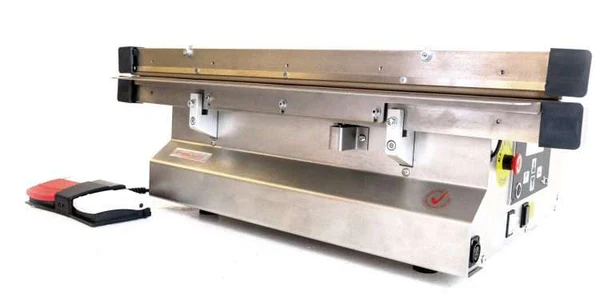
What is a Vacuum Bag Sealer and Why Does Your Kitchen Need One?
At its core, a vacuum bag sealer is a machine designed to remove air from a specialized bag or container and then create an airtight, heat-sealed closure. Why is air the enemy? Oxygen promotes oxidation, which causes food to spoil, lose flavor, and develop freezer burn. By extracting the air, a vacuum bag sealer dramatically slows down these processes, keeping your food fresher for significantly longer.
Think about it:
- Extended Shelf Life: Meat, cheese, vegetables, and even baked goods can last five times longer or more.
- Preserved Flavor and Nutrients: Without air exposure, your food retains its original taste, texture, and nutritional value.
- Waste Reduction: Less spoilage means less food in the trash and more money saved.
It’s a true game-changer for anyone serious about food preservation, meal prepping, or simply making their groceries go further.
Unpacking the Different Types of Vacuum Bag Sealers
Not all vacuum bag sealers are created equal. Understanding the main types will help you choose the best fit for your kitchen and lifestyle.
External (Edge) Vacuum Bag Sealers
These are perhaps the most common type found in home kitchens. An external vacuum bag sealer works by placing the open end of a textured (embossed) bag onto a sealing strip outside the machine. The machine then draws air out through a nozzle or channel and heat-seals the bag shut.
- Pros: Generally more compact and affordable, easy to use for dry goods, and often feature built-in roll storage and cutters. Many have a “pulse” function, allowing you to control the vacuum for delicate items.
- Cons: Not ideal for liquids or very moist foods, as liquids can be sucked into the machine, potentially damaging it or preventing a proper seal.
- Ideal Use: Perfect for sealing individual portions of meats, cheeses, dry pantry staples, or marinated items for the grill.
Chamber Vacuum Bag Sealers
Considered the gold standard by many professional chefs and serious home cooks, a chamber vacuum bag sealer works differently. You place the entire bag, including the open end, inside a sealed chamber. The machine then removes all the air from the chamber, equalizing the pressure inside and outside the bag before sealing it.
- Pros: Superior for sealing liquids, sauces, soups, and very moist foods without fear of drawing them into the pump. Offers a stronger, more consistent vacuum.
- Cons: Significantly larger and more expensive than external sealers, often taking up considerable counter space.
- Ideal Use: Essential for sous vide cooking, batch cooking and freezing liquids, or preserving delicate foods that would be crushed by an external sealer. Some models come with single or double chambers, with double chambers allowing for continuous sealing to boost efficiency.
Universal vs. Specific Bag Sealing Systems
When it comes to the bags themselves, you’ll encounter two main philosophies:
- Universal Vacuum Bag Sealers: These machines offer great flexibility, accommodating bags made from various materials like PE, PA, or PET, and different thicknesses. This often means you can use more affordable, generic vacuum sealer bags, making them highly cost-effective in the long run. They are generally simpler to operate and ideal for home use where diverse sealing needs might arise.
- Specific Bag Sealers: These systems are designed to work exclusively with bags from a particular brand or made of specific materials. While the specialized bags might be more expensive, they are often engineered to provide optimal sealing quality and reliability for that specific machine. They are sometimes found in commercial settings where consistent performance with proprietary bags is prioritized.
The choice between universal and specific bag systems largely depends on your budget, your desire for flexibility, and the specific quality control requirements you have for your vacuum-sealed items. For most home users, a universal system offers excellent value and versatility.
How to Effectively Use Your Vacuum Bag Sealer: A Step-by-Step Guide
Using a vacuum bag sealer is straightforward, but a few key steps ensure optimal results every time.
- Prepare Your Food: Clean and dry your food as much as possible. Excess moisture can interfere with the seal. For very moist items, consider freezing them partially or placing a paper towel at the top of the bag to absorb moisture.
- Choose the Right Bag: Always use specially designed vacuum sealer bags. These bags are thicker and have textured channels that allow air to be effectively removed. Standard plastic bags will not work.
- Fill the Bag: Place your food into the vacuum bag, leaving at least 2-3 inches of space from the top for the sealing process. Do not overfill.
- Position the Bag: Lay the open end of the bag flat into the vacuum channel or chamber of your sealer. Ensure it’s smooth and free of wrinkles.
- Start the Vacuum & Seal: Close the lid or engage the sealing mechanism. The machine will begin to draw out air. For external sealers, you’ll usually see the bag compress. If sealing delicate items, use the pulse function if available to prevent crushing. Once the air is removed, the machine will automatically heat-seal the bag.
- Verify the Seal: After the cycle is complete, check the seal. It should be a clear, straight, and consistent line. If it looks incomplete or uneven, cut off the existing seal and try again.
Maximizing Freshness: Tips, Tricks, and Common Pitfalls to Avoid
To truly get the most out of your vacuum bag sealer, keep these expert tips and common mistakes in mind:
Smart Tips for Superior Preservation
- Pre-Freeze Liquids: For soups, stews, or marinades, partially freeze them in a container first. Once solid enough, place the block into a vacuum bag and seal. This prevents liquids from being sucked into the machine.
- Blanch Vegetables: Before vacuum sealing vegetables for freezing, a quick blanching in boiling water followed by an ice bath helps preserve color, flavor, and nutrients.
- Marinade in Minutes: Vacuum sealing significantly speeds up the marinating process. The vacuum opens up the pores of the meat or vegetables, allowing the marinade to penetrate much faster – often in just 20-30 minutes instead of hours.
- Portion Control: Seal foods in individual or family-sized portions for easy meal planning and thawing.
- Label Everything: Use a permanent marker to label bags with the contents and date sealed. This prevents mystery meals later on!
Common Pitfalls to Avoid
- Wet Sealing: As mentioned, liquids can ruin a seal. If you must seal moist food with an external sealer, place a folded paper towel inside the bag near the opening to absorb any errant moisture.
- Overfilling Bags: Always leave enough space at the top (2-3 inches) for a strong, consistent seal.
- Wrinkled Bags: Ensure the bag opening is perfectly flat and smooth on the sealing bar. Wrinkles will prevent an airtight seal.
- Reusing Bags Improperly: While some bags can be washed and reused if cut below the original seal, always ensure they are perfectly clean and dry to prevent bacterial growth.
- Sealing Soft Foods Without Care: For delicate items like bread or berries, use the “pulse” function on external sealers (if available) to control the vacuum strength and prevent crushing, or opt for a chamber sealer.
Beyond the Kitchen: The Multifaceted Benefits of Vacuum Sealing
The advantages of owning a vacuum bag sealer extend far beyond just food preservation. It’s a versatile tool that can enhance various aspects of your life.
- Extended Shelf Life & Reduced Waste: This is the flagship benefit. By removing oxygen, vacuum sealing dramatically slows down spoilage, preventing mold, bacteria growth, and freezer burn. This means fewer discarded groceries and significant savings over time.
- Optimal for Sous Vide Cooking: Vacuum-sealed bags are essential for sous vide, a cooking method that involves precisely cooking food in a water bath. The airtight seal ensures even cooking and allows flavors to meld beautifully.
- Faster, More Flavorful Marinating: The vacuum process forces marinades deep into meats and vegetables, reducing marinating time from hours to mere minutes and intensifying flavors.
- Protection for Non-Food Items: Don’t limit your vacuum sealer to just food! It’s fantastic for protecting important documents, valuable photos, silver jewelry (prevents tarnishing), camping gear (matches, first-aid kits), or even delicate electronics from moisture and corrosion.
- Bulk Buying & Portioning: Buying in bulk is often more economical, and a vacuum bag sealer makes it easy to portion out large quantities of food, seal them, and store them for later without waste.
- Organization: Vacuum-sealed bags take up less space, helping to declutter your freezer, fridge, and pantry.
“Vacuum sealing isn’t just a kitchen gadget; it’s a fundamental shift in how we approach food longevity and meal preparation,” says Dr. Eleanor Vance, a leading food science and preservation specialist. “It empowers individuals to reduce food waste, embrace healthier eating habits through efficient meal prepping, and even experiment with advanced culinary techniques like sous vide with confidence.”
Expert Insights: Choosing the Perfect Vacuum Bag Sealer for Your Needs
With so many options on the market, selecting the right vacuum bag sealer can feel daunting. Here’s what to consider to make an informed decision:
- Usage Frequency: If you’re an occasional user, a basic external sealer might suffice. For daily meal preppers or avid hunters/fishermen, a more robust model with continuous sealing capabilities or a chamber sealer might be worth the investment.
- Food Types: If you primarily seal dry goods, an external sealer is fine. If liquids, sauces, or delicate items are a staple in your kitchen, a chamber sealer will be invaluable.
- Features:
- “Pulse” Function: Essential for preventing delicate foods (like bread or chips) from being crushed.
- Moist/Dry Settings: Allows for optimal sealing regardless of food moisture content.
- Built-in Roll Storage & Cutter: A convenient feature for making custom-sized bags easily.
- Removable Drip Tray: Simplifies cleaning, especially when dealing with slightly moist foods.
- Accessory Port: For sealing vacuum canisters and zipper bags.
- Size & Storage: Consider your kitchen counter space and storage options. External sealers are generally more compact.
- Budget: Prices vary widely. Determine what features are essential for you and set a realistic budget. Remember to factor in the ongoing cost of vacuum bags, especially if you choose a system requiring specific bag brands.
- Bag Compatibility: Decide if you prefer the flexibility and cost-effectiveness of a universal bag system or if you need the specialized performance of a specific bag sealer.
Frequently Asked Questions About Vacuum Bag Sealers
Q: Can I use regular Ziploc bags with my vacuum bag sealer?
A: No, standard plastic bags like Ziploc bags are not suitable for vacuum sealing. They are not thick enough and lack the textured channels required to remove air effectively, leading to air leaks and defeating the purpose of sealing. Always use specialized vacuum sealer bags.
Q: How long does food last when vacuum sealed?
A: Vacuum sealing can extend the shelf life of food significantly. For example, fresh meat might last 6-9 months in the freezer when vacuum sealed, compared to 6-12 months typically. Refrigerator life is also extended, often from days to weeks, depending on the food type.
Q: Is vacuum sealing only for freezing food?
A: Not at all! While excellent for freezer storage, vacuum sealing is also fantastic for refrigerating items like cheese, deli meats, and prepped vegetables, as well as pantry staples like coffee beans, flour, or dried fruits to keep them fresh and bug-free.
Q: Can I vacuum seal hot foods?
A: It’s best to allow hot foods to cool completely to room temperature before vacuum sealing. Sealing hot food can create condensation inside the bag, which can lead to bacterial growth and affect the seal quality.
Q: What’s the “pulse” function for on some vacuum bag sealers?
A: The pulse function allows you to manually control the vacuum process, letting you remove air in short bursts. This is crucial for sealing delicate items like bread, chips, or soft fruits, preventing them from being crushed by the full vacuum pressure.
The Airtight Conclusion: Embracing the Vacuum Sealing Lifestyle
A vacuum bag sealer is much more than just another kitchen gadget; it’s an investment in freshness, efficiency, and a more sustainable culinary journey. From dramatically extending the life of your food and battling freezer burn to enabling advanced cooking techniques like sous vide and simplifying meal prep, the benefits are undeniable. By understanding the different types, mastering the usage techniques, and applying smart preservation tips, you’ll unlock a new level of control over your kitchen and your food. So, take the plunge, embrace the power of the vacuum bag sealer, and start enjoying food that stays fresher, longer, while reducing waste and saving money. Your taste buds, and your wallet, will thank you.