Ever opened your freezer only to find perfectly good food marred by unsightly ice crystals, signaling the dreaded freezer burn? Or perhaps you’ve tossed out wilted produce that just didn’t make it to dinner night? If you’re nodding along, then it’s time we talked about a kitchen hero: the Top Vacuum Sealer. This isn’t just another gadget; it’s a game-changer for anyone serious about freshness, flavor, and cutting down on food waste.
In today’s fast-paced world, finding smart ways to preserve our food isn’t just a convenience; it’s a necessity. A high-quality vacuum sealer is your secret weapon, extending the life of your groceries, making meal prep a breeze, and even enhancing your culinary adventures. But with so many options out there, how do you pick the perfect one? Let’s dive deep and uncover what makes a vacuum sealer truly exceptional.
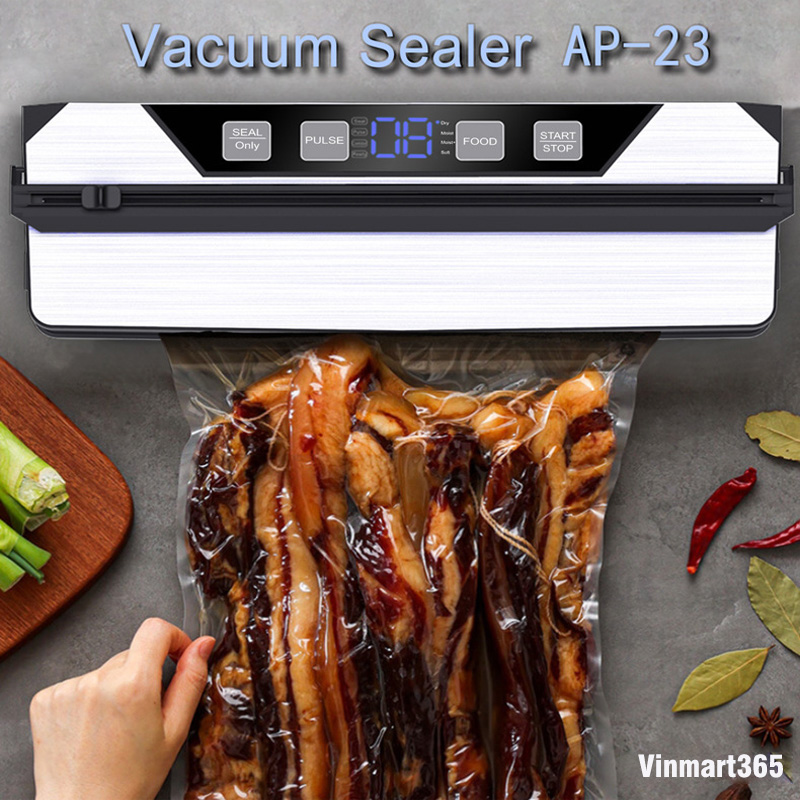
What is a Vacuum Sealer and Why You Need One?
At its core, a vacuum sealer removes air from a bag or container, then seals it airtight. Why is this important? Oxygen is the primary culprit behind food spoilage, causing oxidation, mold growth, and freezer burn. By eliminating the air, a vacuum sealer creates an anaerobic environment that dramatically slows down these processes.
Imagine being able to keep fresh meats vibrant for weeks in the fridge, rather than days, or extending the life of your berries for months in the freezer without them turning into icy, flavorless blocks. That’s the magic of a vacuum sealer. But the benefits don’t stop there:
- Extended Freshness: Foods stay fresh up to five times longer than traditional storage methods.
- Prevent Freezer Burn: No more icy texture or loss of flavor.
- Reduce Food Waste & Save Money: Buy in bulk, store leftovers, and never throw out good food again.
- Enhanced Flavor: Perfect for marinating, allowing marinades to penetrate food deeper and faster.
- Space-Saving: Flattened bags take up less room in your fridge, freezer, or pantry.
- Support for Sous Vide Cooking: Essential for achieving perfectly cooked meals with precision.
- Protect Non-Food Items: Safeguard important documents, jewelry, or camping gear from moisture and corrosion.
Choosing Your Kitchen Champion: Understanding the Top Vacuum Sealers
When you’re ready to bring a vacuum sealer into your home, you’ll encounter a few main types, each with its own strengths. Understanding these will help you choose the best fit for your culinary needs and lifestyle.
External Vacuum Sealers: The Everyday Workhorse
External vacuum sealers are arguably the most popular choice for home cooks, and for good reason. They are typically more affordable, compact, and incredibly user-friendly. You simply place the open end of a specially designed, textured (or “embossed”) bag into the machine, and it sucks out the air before heat-sealing it shut.
- How They Work: These machines rely on suction, drawing air directly out of the bag through small channels in the embossed plastic. The sealing bar then heats up to create a strong, airtight seal.
- Pros: Great for most dry foods, very accessible price point, doesn’t take up too much counter space.
- Cons: Can struggle with liquids (which can be drawn into the machine) or very delicate foods that might get crushed by the strong suction. You also need specific embossed bags.
Models like the Nesco VS-12 Deluxe often rank high in this category, lauded for their powerful suction, intuitive controls, and versatility with different pressure settings and an accessory port for jar attachments. Another strong contender, the Anova Precision Vacuum Sealer Pro, offers high-power double-seals and continuous sealing capabilities.
Chamber Vacuum Sealers: The Professional’s Edge
If you’re a serious home chef, hunter, or someone who frequently deals with large quantities of liquids (think soups, sauces, or marinating meats), a chamber vacuum sealer might be your dream machine. These are often larger, more expensive, and operate differently.
- How They Work: Instead of just pulling air from the bag, a chamber sealer reduces the air pressure in the entire chamber. This means liquids don’t boil and get sucked into the machine, and delicate items aren’t crushed. Once the air is removed from the chamber, the bag is sealed.
- Pros: Superior for liquids, delicate foods, and achieving a more complete vacuum. Uses less expensive, smooth-sided bags.
- Cons: Significantly larger and heavier, much higher price point, takes up considerable counter space.
While often seen in professional kitchens, some brands are now making more compact (though still substantial) chamber sealers for the dedicated home user.
Handheld Vacuum Sealers: The Compact Companion
For those with limited space or who only need occasional vacuum sealing for specific items, handheld units are a fantastic, portable solution. They typically work with specialized zipper bags or containers that have a dedicated port.
- How They Work: A small, battery-operated pump suctions air out through a valve on the bag or container, then you manually seal the zipper.
- Pros: Extremely compact, portable, excellent for quick seals on frequently accessed items, and often budget-friendly. Great for small batches or on-the-go freshness.
- Cons: Less powerful suction than countertop models, requires specific bags or containers, not ideal for large-scale sealing.
The Anova Culinary Precision Port Handheld Vacuum Sealer is often praised for its quality performance and ease of use, being about the size of a large apple. [cite: 1 (Good Housekeeping)]
Key Features to Consider When Choosing a Top Vacuum Sealer
Alright, you know the types. Now, let’s talk about the nitty-gritty features that separate the good from the truly great.
- Suction Power & Sealing Quality: This is paramount. Look for models with strong vacuum pressure (often measured in kPA or inches HG). Many top models also offer “dry” and “moist” settings to prevent liquids from being drawn into the machine when sealing juicy foods. A “double seal” option provides extra security for long-term storage or sous vide cooking.
- Ease of Use & Convenience: An intuitive control panel, an automatic locking lid, or a simple lever closure system can make a world of difference. Features like a built-in bag cutter and roll storage compartment are incredibly handy, saving you time and counter clutter. A removable drip tray is also a big plus for easy cleanup, especially when dealing with any accidental liquids.
- Versatility: Do you want to seal more than just bags? An accessory port allows you to use attachments for sealing jars, canisters, or wine bottles. A “marinate mode” can rapidly infuse flavors, and a “pulse function” gives you manual control over the vacuum for delicate items that might otherwise get squished.
- Durability & Build Materials: A vacuum sealer is an investment. Models made with stainless steel tend to be more robust and resistant to wear and tear than plastic counterparts. Pay attention to the quality of the sealing bar and the vacuum pump, as these are critical components for longevity. A good warranty also speaks volumes about a manufacturer’s confidence in their product.
- Size & Storage: Consider your kitchen space. If counter space is precious, a compact model or one that can be stored vertically might be ideal. For those planning extensive batch sealing, consider the machine’s “duty cycle”—some consumer models require cool-down time between seals, while commercial-grade ones can run continuously.
How to Effectively Use Your Vacuum Sealer
Getting the most out of your vacuum sealer involves a few simple steps and avoiding common pitfalls.
- Preparation is Key:
- Clean and Dry: Ensure food is clean and as dry as possible to achieve a strong seal. Moisture can interfere with the heat sealing.
- Pre-freeze Liquids/Wet Foods: For very juicy items or liquids, partially freeze them first (e.g., in a container or ice cube tray) before placing them in the bag. This prevents liquid from being sucked into the machine.
- Proper Portioning: Divide food into meal-sized portions before sealing for convenience.
- Leave Room: Always leave at least 2-3 inches of space between the food and the top of the bag for a proper seal.
- The Sealing Process (Step-by-Step):
- Cut Your Bag: If using a roll, cut the desired length and seal one end to create a bag.
- Place Food: Put your food into the bag, ensuring the sealing area is clean and free of food debris or moisture.
- Position Bag: Place the open end of the bag into the vacuum sealer’s drip tray or sealing channel.
- Close & Lock: Close the lid and engage the locking mechanism (if manual).
- Select Setting: Choose the appropriate setting (e.g., “dry” or “moist,” “normal” or “gentle”).
- Start & Seal: Press the vacuum/seal button. The machine will remove the air, then automatically heat-seal the bag.
- Release & Store: Once complete, release the lid and store your perfectly preserved food.
- Common Mistakes to Avoid:
- Overfilling Bags: Leads to improper seals and wasted bags.
- Sealing Gassy Vegetables: Avoid vacuum sealing cruciferous vegetables like broccoli, cabbage, or Brussels sprouts, as they release gases that can cause bags to inflate and spoilage to occur. Onions, garlic, and mushrooms are also generally not recommended due to higher botulism risk. [cite: 1 (Shouldit)]
- Using Regular Ziploc Bags: Standard freezer bags won’t work with most vacuum sealers; you need specialized embossed vacuum sealer bags. [cite: 1 (Good Housekeeping)]
- Neglecting Cleaning: A dirty drip tray or sealing strip can impair performance. Clean regularly.
Beyond Preservation: Creative Applications of Vacuum Sealers
A top vacuum sealer isn’t just about preventing spoilage; it’s a tool that opens up a world of culinary possibilities.
- Sous Vide Cooking: This method involves cooking food in a precisely temperature-controlled water bath. Vacuum-sealed bags are essential for sous vide, as they allow for even cooking and perfectly tender, juicy results.
- Rapid Marinating: By removing air, vacuum sealers can significantly speed up the marinating process, forcing flavors deep into your meats, fish, or vegetables in a fraction of the time.
- Preparing for the Grill or Smoker: Vacuum seal your prepped meats with rubs and marinades days in advance, locking in flavor and ensuring readiness.
- Portion Control for Health: Easily portion out snacks, meals, or ingredients to help manage your diet and avoid overeating.
- Camping and Outdoor Adventures: Keep non-food items like matches, first-aid kits, or electronics dry and protected from the elements.
Expert Insights: Choosing the Right Model
“Finding the ideal vacuum sealer is less about finding the most expensive model and more about identifying the features that truly align with your lifestyle,” advises Dr. Amelia Vance, a renowned food science expert. “Whether you’re a bulk shopper, a sous vide enthusiast, or simply looking to minimize waste, a top-tier sealer should offer robust suction, versatile settings for various food types, and user-friendly design. Pay attention to how frequently you’ll use it and what types of food you’ll be sealing. That’s where the real value lies.”
Frequently Asked Questions (FAQ)
Q: What foods should you NOT vacuum seal?
A: Avoid vacuum sealing raw cruciferous vegetables (like broccoli, cabbage, and cauliflower) as they release gases that can cause bags to inflate. Also, raw onions, garlic, and mushrooms are generally not recommended due to the potential for anaerobic bacteria growth like botulism. [cite: 1 (Shouldit)]
Q: Can I use regular Ziploc bags with a vacuum sealer?
A: No, standard Ziploc or freezer bags are not designed to work with most vacuum sealers. You need specialized embossed vacuum sealer bags, which have internal channels to allow air to be efficiently removed before sealing. [cite: 1 (Good Housekeeping)]
Q: How long does vacuum-sealed food last?
A: Vacuum sealing can extend food freshness significantly. For example, fresh meat might last 1-2 weeks in the refrigerator when vacuum-sealed, compared to 2-3 days traditionally. In the freezer, it can last for years, largely preventing freezer burn. Specific times vary by food type, so always refer to safe food handling guidelines.
Q: Is it worth investing in a chamber vacuum sealer for home use?
A: For most home cooks, an external vacuum sealer is perfectly adequate. However, if you frequently seal liquids, delicate foods, or large quantities, a chamber vacuum sealer offers superior performance and versatility, making the investment worthwhile for serious users.
Q: How do I clean and maintain my vacuum sealer?
A: Regular cleaning is crucial. Wipe down the sealing bar and the area around it with a damp cloth after each use. If your model has a removable drip tray, clean it thoroughly, especially after sealing moist foods. Ensure the machine is dry before storing.
Your Journey to a Fresher Kitchen Begins Now
Embracing a top vacuum sealer is more than just buying an appliance; it’s adopting a smarter, more sustainable way to manage your food. It’s about savoring peak freshness, minimizing waste, and unlocking new culinary possibilities. Whether you opt for the robust Nesco VS-12 Deluxe, the versatile Anova Precision, or another top-rated model, you’re making an investment in your kitchen, your wallet, and your taste buds. So, go ahead, explore the options, and get ready to experience a whole new level of food preservation. Your food—and your future self—will thank you!