Ever wondered how top-tier restaurants keep their ingredients pristine, or how food manufacturers ensure their products reach you at peak freshness? The secret often lies in a powerful, unsung hero of the modern commercial kitchen and processing plant: the Industrial Vacuum Sealer. More than just a simple kitchen gadget, these robust machines are designed for relentless performance, offering a transformative approach to food preservation, product protection, and operational efficiency for businesses of all sizes. If you’re looking to significantly extend shelf life, reduce waste, and uphold the highest standards of quality, diving into the world of industrial vacuum sealers is your next smart move.
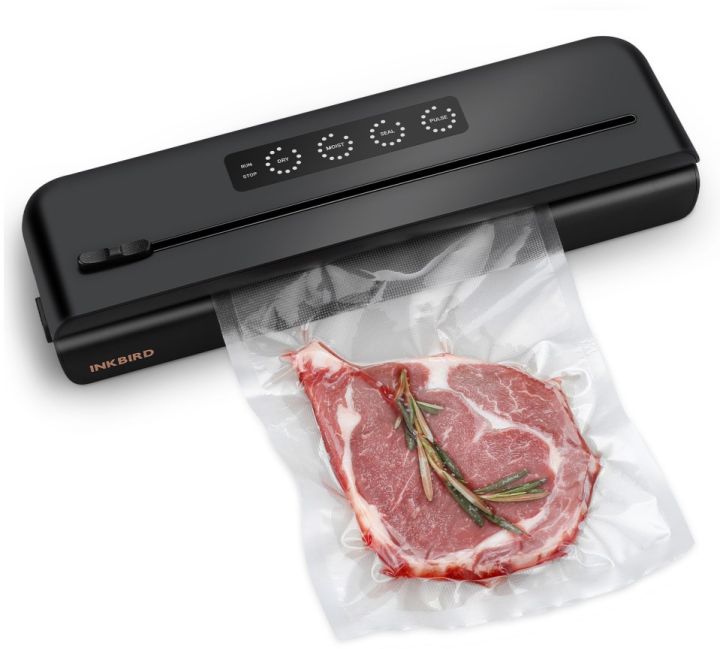
What Exactly is an Industrial Vacuum Sealer?
Forget the compact countertop units you might see in a home kitchen. An industrial vacuum sealer is built for a completely different league of demand. At its core, it’s a sophisticated piece of equipment engineered to meticulously remove air from a package before hermetically sealing it. This process is far more than just “sucking out air”; it’s a precise science that dramatically reduces oxygen levels, which are the primary culprits behind food spoilage, oxidation, and material degradation.
Unlike their domestic counterparts, industrial vacuum sealers boast superior durability, larger capacities, and advanced features tailored for continuous, heavy-duty use. They are constructed from high-quality materials, often stainless steel, to withstand rigorous environments and frequent cleaning, making them indispensable in settings ranging from bustling restaurant kitchens and large-scale food processing facilities to pharmaceutical labs and electronics manufacturing. The goal is always the same: to create an airtight, secure seal that protects products from moisture, dust, contaminants, and the ravages of time.
The Powerhouses: Types of Industrial Vacuum Sealers
When stepping up to the commercial or industrial level, you’ll primarily encounter two main types of industrial vacuum sealers, each with distinct mechanisms and ideal applications: chamber vacuum sealers and external vacuum sealers (commercial grade).
Chamber Vacuum Sealers: The Workhorse of Heavy-Duty Operations
Chamber vacuum sealers are the undisputed champions for demanding industrial applications, especially when dealing with liquids or high-volume packaging. Their operation is ingenious: the entire item, along with its bag, is placed inside a sealed chamber. Once the lid is closed, the machine removes air from the entire chamber, not just the bag itself. This equalized pressure prevents liquids from boiling or being sucked out of the bag during the vacuum process, making them perfect for soups, sauces, marinated meats, and moist foods.
Advantages of Chamber Industrial Vacuum Sealers:
- Superior Vacuum Strength: Achieves a deeper, more consistent vacuum.
- Liquid-Friendly: Handles liquids and liquid-rich foods with ease.
- Cost-Effective Bags: Uses less expensive, smooth vacuum bags, which can lead to significant savings over time for high-volume users.
- High-Volume Capability: Designed for continuous operation and processing multiple bags simultaneously.
- Versatility: Excellent for food, but also widely used for medical instruments, electronics, and delicate components.
External Vacuum Sealers (Commercial Grade): When Precision Meets Flexibility
While often associated with home use, commercial-grade external vacuum sealers offer robust performance for certain industrial tasks. With these machines, the open end of the bag is placed into a sealing channel outside the unit, and air is then drawn directly from the bag. While generally not ideal for liquids due to the risk of drawing fluid into the pump, advanced commercial models can handle dry goods, delicate items, and even some crushable products with precision.
Ideal Uses for Commercial External Vacuum Sealers:
- Dry Goods: Perfect for sealing coffee beans, nuts, dehydrated fruits, or dry ingredients.
- Delicate Items: Some models feature pulse functions, allowing for manual control over the vacuum level to prevent crushing delicate items.
- Space Saving: Typically more compact than chamber models, making them suitable for smaller commercial kitchens or specialized workstations.
- Specific Bag Types: Requires specialized textured or embossed bags that allow air channels to form for effective vacuuming.
Specialized Industrial Sealing Systems
Beyond these core types, the industrial vacuum sealer landscape also includes more specialized configurations for unique operational needs:
- Tabletop Models: Compact yet powerful, suitable for smaller production lines or specific tasks.
- Mobile Units: Equipped with wheels for flexibility, allowing easy movement within a facility.
- Double Chamber Vacuum Packaging Machines: Feature two chambers for continuous, higher-volume processing, minimizing downtime.
- Automated Systems: Fully integrated into production lines, offering high-speed, hands-free operation and often incorporating features like gas flushing or date printing.
Unlocking Unprecedented Benefits: Why Your Business Needs an Industrial Vacuum Sealer
Investing in an industrial vacuum sealer is a strategic decision that offers a cascade of benefits, transforming various aspects of your business.
Extend Shelf Life and Combat Spoilage
One of the most compelling advantages is the dramatic extension of product shelf life. By removing oxygen, the primary catalyst for spoilage, industrial vacuum sealers inhibit the growth of aerobic bacteria, molds, and yeasts. This means perishable goods stay fresh significantly longer—often by 50% to 400% depending on the product—reducing the urgency of rapid sales and expanding distribution possibilities.
Preserve Peak Quality and Flavor
Vacuum sealing preserves the intrinsic quality of your products. Food items retain their natural taste, texture, and nutritional value, preventing the oxidation that can lead to discoloration, freezer burn, and flavor degradation. For businesses, this translates to consistently high-quality offerings that delight customers and enhance brand reputation.
Boost Food Safety and Hygiene Standards
In any industry dealing with perishables, food safety is non-negotiable. An industrial vacuum sealer creates a sterile, airtight barrier, protecting products from external contaminants like dust, moisture, insects, and cross-contamination. This minimizes the risk of foodborne illnesses, ensures compliance with stringent health regulations, and builds invaluable consumer trust. As Dr. Evelyn Reed, a seasoned food safety consultant with over two decades of experience in commercial kitchens and processing plants, emphasizes: “For any business serious about reducing spoilage and maintaining consistent product quality at scale, an industrial vacuum sealer isn’t just equipment—it’s a fundamental pillar of operational excellence and regulatory compliance.”
Revolutionize Storage and Logistics
Vacuum-sealed packages are inherently more compact, as all excess air is removed. This optimization of space allows businesses to maximize storage capacity in refrigerators, freezers, and dry pantries, leading to more efficient inventory management. Furthermore, reduced package volume can significantly lower transportation and warehousing costs, streamlining your supply chain and enhancing overall logistical efficiency.
Maximize Cost Efficiency and Minimize Waste
By extending shelf life and preventing spoilage, industrial vacuum sealers empower businesses to implement smart purchasing strategies, such as buying in bulk during peak seasons. This reduces frequent trips to suppliers and leverages economies of scale. Less spoilage directly translates to less waste, cutting down on disposal costs and improving your bottom line. The ability to pre-portion ingredients also saves time and ensures consistency in recipe execution.
Beyond Food: Diverse Industrial Applications
While food preservation is a major application, the utility of an industrial vacuum sealer extends far beyond the culinary world. These machines are crucial for:
- Pharmaceuticals: Protecting moisture-sensitive medications and extending their efficacy.
- Electronics: Preventing oxidation and corrosion of sensitive components, especially during long-term storage or shipping.
- Medical Supplies: Sterilizing and packaging instruments to maintain hygiene and extend shelf life.
- Industrial Parts: Protecting metal components from rust and dust.
- Textiles: Compressing and protecting garments or fabrics from moisture and pests.
Mastering Your Machine: Essential Usage Tips for Industrial Vacuum Sealers
Getting the most out of your industrial vacuum sealer involves a few key practices that ensure consistent results and machine longevity.
Preparation is Key: Product Readiness and Bag Selection
Always ensure your products are clean and dry before sealing. Any moisture or debris near the sealing area can compromise the airtight seal. Choose the right bag type for your sealer: textured bags for external models and smooth, often more economical, chamber bags for chamber sealers. Using high-quality, barrier-type bags is crucial for maintaining the vacuum over time.
Achieving the Perfect Seal: Settings and Cycle Optimization
Most industrial vacuum sealers offer adjustable settings for vacuum pressure and seal time. Experiment with these settings based on the product’s density and moisture content. Delicate items might require a lighter vacuum to prevent crushing, while denser items benefit from a stronger, longer vacuum cycle. For optimal efficiency, arrange items strategically within the bag and, for chamber models, maximize the number of bags processed per cycle without compromising the seal.
Handling Liquids and Moist Goods: The Chamber Advantage
As mentioned, chamber vacuum sealers are specifically designed for liquids and moist foods. The uniform pressure within the chamber prevents fluids from being drawn into the pump. If you primarily work with liquids, investing in a chamber industrial vacuum sealer is essential. For external sealers, consider pre-freezing liquids or placing a folded paper towel at the top of the bag to act as a barrier, but these are workarounds, not ideal solutions for high-volume liquid sealing.
Keeping Your Industrial Vacuum Sealer in Top Shape: Maintenance for Longevity
Like any heavy-duty equipment, an industrial vacuum sealer requires diligent maintenance to ensure optimal performance and extend its lifespan.
Daily Habits for Optimal Performance
After each use, unplug your machine and wipe down all surfaces with a damp, soft cloth and mild, neutral detergent. Pay particular attention to the sealing bar and the sealing area, removing any food particles, liquid residue, or plastic debris. For chamber models, clean the inside of the chamber thoroughly. Always allow components to dry completely before reassembling.
Regular Checks and Component Care
- Sealing Bar and Teflon Tape: Inspect the sealing bar regularly for wear, discoloration, or debris. The Teflon tape covering the heating element prevents the bag from sticking and ensures an even seal. Replace it if you notice any damage, burns, or inconsistencies in sealing.
- Gaskets: The rubber or foam gaskets create the airtight seal. Inspect them for cracks, tears, flattening, or distortion. Damaged gaskets can lead to vacuum leaks and poor seals, so replace them promptly with manufacturer-compatible parts.
- Vacuum Pump: For oil-based vacuum pumps, regular oil changes are critical. Check the oil level and clarity, and follow the manufacturer’s recommendations for service intervals. For dry pumps, ensure the air intake ports are clear of obstructions to maintain strong suction.
- Electrical System: Periodically check all wires, plugs, and switches for damage or loose connections to ensure safety and reliable operation.
Preventing Common Pitfalls
- Avoid Overheating: Continuous, back-to-back sealing cycles can lead to overheating, which stresses components and reduces sealing effectiveness. Give your machine short breaks, especially during intensive periods, to allow it to cool down.
- Prevent Liquid Intrusion: For external vacuum sealers, never attempt to seal significant amounts of liquid directly, as this can damage the pump and internal mechanisms. Use chamber sealers for liquid-rich products.
- Proper Storage: When not in use, store your industrial vacuum sealer in a clean, dry environment, protecting it from dust and extreme temperatures.
Frequently Asked Questions About Industrial Vacuum Sealers
What makes an industrial vacuum sealer different from a home model?
Industrial vacuum sealers are built for heavy-duty, continuous use, featuring more powerful pumps, durable construction (often stainless steel), larger capacities, and specialized functions like gas flushing or liquid sealing capabilities, which are typically absent or limited in home models. They are designed for commercial environments with high throughput and strict hygiene requirements.
Can I vacuum seal liquids with an industrial vacuum sealer?
Yes, absolutely! Chamber industrial vacuum sealers are specifically designed to seal liquids and moist foods. The mechanism equalizes pressure inside the chamber and the bag, preventing liquids from being drawn out during the vacuum process, which is a common issue with external vacuum sealers.
How often should I perform maintenance on my industrial vacuum sealer?
Basic cleaning should be performed daily after each use. More in-depth checks, such as inspecting gaskets and sealing bars, should be done weekly or monthly, depending on usage frequency. Vacuum pump oil changes (for oil-based pumps) and filter replacements should follow the manufacturer’s guidelines, typically every few months or after a certain number of hours.
Are industrial vacuum sealer bags reusable?
While some home vacuum bags might be washed and reused, industrial applications, particularly in food service and medical fields, generally prioritize single-use bags for hygiene and safety reasons. Reusing bags can compromise the sterile environment and seal integrity. Always check food safety regulations and manufacturer recommendations for your specific application.
What industries benefit most from industrial vacuum sealing?
A wide range of industries benefits immensely from industrial vacuum sealing, including food processing (meat, cheese, seafood, produce), restaurants and catering, pharmaceuticals, electronics manufacturing, medical device production, and even textile or industrial component packaging, where protection from moisture, oxidation, and contamination is critical.
The Future of Preservation: Your Business, Elevated
An industrial vacuum sealer is far more than just another piece of equipment; it’s an investment in the future of your business. By harnessing the power of advanced vacuum technology, you gain the ability to drastically extend product freshness, safeguard quality, enhance food safety, and streamline your operational logistics. From reducing waste and saving costs to expanding your market reach and upholding your brand’s reputation for excellence, an industrial vacuum sealer empowers you to achieve unprecedented levels of preservation and efficiency. It’s time to move beyond conventional methods and embrace a solution that truly elevates your products and your bottom line.