Ever wonder how to keep your groceries vibrant and delicious for longer than a fleeting moment? You’re not alone! Many home cooks and food enthusiasts are turning to vacuum sealers, smart appliances that promise to extend the life of your food significantly. But with so many options out there, how do you choose the right one? That’s where trusted reviews, much like those from Consumer Reports, become your culinary compass, guiding you through the features, performance, and value that truly matter for a vacuum sealer.
What Makes a Vacuum Sealer a Kitchen Essential?
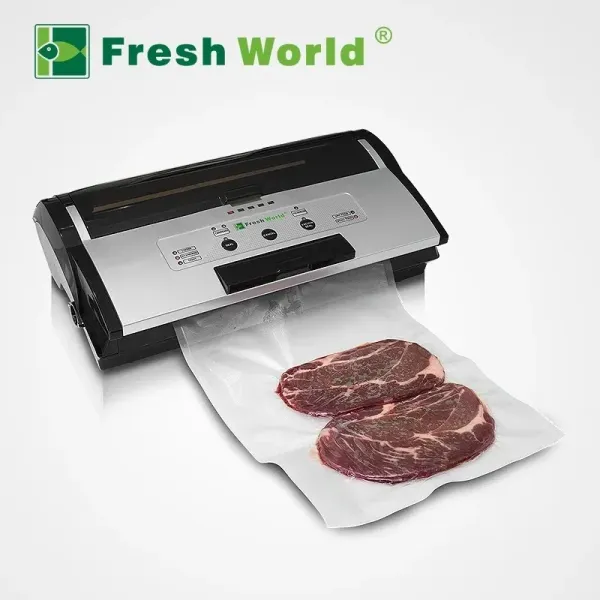
At its core, a vacuum sealer is a straightforward yet revolutionary kitchen device designed to remove air from a bag or container, creating an airtight seal. Why is this so crucial? Oxygen is the primary culprit behind food spoilage, leading to freezer burn, mold growth, discoloration, and a rapid decline in freshness. By eliminating this air, a vacuum sealer dramatically slows down the oxidation process, keeping your food fresher, tastier, and more nutritious for much longer. Think of it as hitting the “pause” button on spoilage, ensuring your hard-earned groceries retain their quality until you’re ready to enjoy them.
Navigating the Vacuum Sealer Landscape: Types and How They Operate
When you dive into the world of vacuum sealers, you’ll primarily encounter two main types, along with a handy sub-category, each with its own charm and operational style:
External Vacuum Sealers
These are the most common models you’ll find in home kitchens. They work by placing the open end of a specially designed bag into a vacuum channel on the machine. The sealer then sucks the air out of the bag and heat-seals it shut. They’re typically countertop units, ranging in size and features, and are excellent for dry goods, solid foods, and even moist items with a bit of careful handling.
Chamber Vacuum Sealers
Often considered the “pro” choice, chamber sealers operate differently. You place the entire bag, or even a container, inside a chamber. The machine then removes all the air from the entire chamber, equalizing the pressure inside and outside the bag before sealing. This method makes them exceptional for sealing liquids, marinades, and delicate foods without crushing them, as the internal pressure prevents liquids from being drawn out. They are generally larger and more expensive but offer unparalleled versatility.
Handheld Vacuum Sealers
For quick jobs and smaller portions, handheld models offer a compact solution. They usually work with specialized zipper bags or containers that have a valve. The handheld device attaches to the valve, removes the air, and often offers a temporary, re-sealable solution. They’re fantastic for everyday snacks, deli meats, and keeping pantry staples fresh.
“Choosing the right type depends on your culinary habits,” explains Anya Petrova, a culinary technology consultant. “If you’re mostly sealing steaks and bulk-bought produce, an external sealer is probably perfect. But if sous vide cooking and liquid preservation are your passions, a chamber sealer is an invaluable investment.”
Consumer Reports’ Top Considerations for Vacuum Sealers
When esteemed organizations like Consumer Reports evaluate vacuum sealers, they look beyond just the basic seal. Their rigorous testing focuses on several key performance metrics that truly differentiate a good sealer from a great one:
- Sealing Quality and Consistency: Can it create a strong, airtight seal every single time, whether it’s dry pasta or juicy marinated chicken? Special attention is paid to how well devices handle moist foods, as this is often where lesser models falter.
- Speed and Efficiency: How quickly does the machine vacuum and seal? For bulk processing, a fast cycle time is a significant advantage.
- Ease of Use: Is the interface intuitive? How easy is it to position bags, activate settings, and clean up afterwards? Features like automatic bag detection and built-in cutters can greatly enhance the user experience.
- Noise Level: Some vacuum sealers can be quite loud. Quieter operation is a definite plus, especially in an open-concept kitchen.
- Durability and Build Quality: Can the machine withstand regular use without breaking down? This includes the quality of its motor and sealing bar.
- Versatility: Does it offer different settings for dry and moist foods? Can it be used with accessory hoses for jars, containers, or wine stoppers?
- Bag Compatibility: While many brands have proprietary bags, some sealers work with generic rolls, offering more flexibility and cost savings.
These factors form the backbone of any reliable vacuum sealer review, helping you understand the real-world performance and value of each model.
Decoding the Best Vacuum Sealers: Insights from Expert Reviews
While specific model recommendations from Consumer Reports evolve, consistent themes emerge about what makes a vacuum sealer truly stand out. Expert evaluations often highlight models that excel in both dry and moist sealing performance, offering robust suction power and reliable, consistent seals.
Top contenders frequently include models from brands like FoodSaver, known for their wide range of options catering to various budgets and needs, offering features like automatic bag detection and integrated bag storage and cutters. Heavy-duty options, such as some Nesco or Weston models, are often lauded for their powerful motors and ability to handle continuous sealing, making them ideal for avid hunters, gardeners, or those who buy in bulk frequently. For those prioritizing compactness and quick use, handheld or smaller countertop units like the Zwilling Fresh & Save or certain FoodSaver PowerVac models often receive praise for their convenience and space-saving designs. The best vacuum sealers often incorporate thoughtful features like dedicated modes for dry and moist foods, accessory ports for sealing canisters and jars, and a removable drip tray for easy cleaning, ensuring versatility and ease of maintenance.
Mastering Your Vacuum Sealer: Tips for Optimal Use
Getting the most out of your vacuum sealer means more than just pressing a button. A few smart practices can make all the difference:
- Preparation is Key: For foods with liquids, pat them dry as much as possible to prevent moisture from interfering with the seal. For delicate items like bread, use the “pulse” or “manual” vacuum setting to control suction and avoid crushing.
- Mind the Fill Line: Always leave enough space (at least 2-3 inches) at the top of the bag for a strong, reliable seal. Overfilling can lead to incomplete seals.
- Clean the Sealing Area: Ensure the inside of the bag around the sealing area is clean and free of food particles or moisture. Even a tiny speck can compromise the airtight seal.
- Choose the Right Mode: Many modern vacuum sealers offer “dry” and “moist” settings. Use the moist setting for anything with a bit of liquid (like marinated meats or cooked leftovers) to ensure a more thorough seal.
- Utilize Accessories: Don’t forget those accessory ports! They’re perfect for vacuum sealing jars of sauces, containers of delicate greens, or even re-sealing wine bottles to extend their life.
- Label Everything: Before sealing, label your bags with the food item and the date. It seems obvious, but it’s a game-changer for freezer organization and ensuring you eat food in its prime.
Common Vacuum Sealer Pitfalls and How to Avoid Them
Even the best tools can be misused. Here are a few common mistakes to sidestep for a flawless vacuum sealing experience:
- Not Removing All Air: If there’s still air visible in the bag after sealing, the process wasn’t effective. Re-open the bag, ensure the food is positioned correctly, and try again.
- Ignoring Moisture: Liquids can prevent a strong seal. If sealing very wet items, consider pre-freezing them slightly, using a paper towel at the top of the bag to absorb excess moisture, or opting for a chamber sealer.
- Using Incorrect Bags: Not all plastic bags are suitable. Use only specific vacuum sealer bags and rolls designed to withstand the vacuum process and create a durable, airtight barrier.
- Overheating the Sealing Strip: If you’re doing a lot of sealing in quick succession, the heating strip can get hot. Allow a few seconds between seals if your machine seems to struggle, or if you notice bags melting.
- Neglecting Cleaning: Food debris or moisture can accumulate in the drip tray or around the sealing area. Regular cleaning prevents hygiene issues and ensures optimal performance.
Beyond Freshness: The Broader Benefits of Vacuum Sealing
The advantages of owning a vacuum sealer extend far beyond merely keeping food fresh. It’s a tool that transforms your kitchen efficiency and culinary repertoire:
- Extended Preservation: This is the big one! Vacuum-sealed foods can last 3 to 5 times longer than conventionally stored foods. This means fresh meat that lasts weeks instead of days in the fridge, and frozen goods that stay perfect for years.
- Reduced Food Waste & Cost Savings: By extending shelf life, you throw away less spoiled food. This translates directly into significant savings, especially when you can confidently buy in bulk or take advantage of sales without worrying about food going bad.
- Protection Against Freezer Burn: The absence of air prevents ice crystals from forming and moisture from escaping, eliminating freezer burn entirely. Your frozen meats and vegetables will retain their texture, color, and flavor beautifully.
- Enhanced Flavor & Nutrient Retention: Without exposure to oxygen, foods maintain their natural flavors, colors, and nutritional value more effectively. This is particularly true for delicate herbs, fruits, and vegetables.
- Revolutionary Marinating: Vacuum sealing opens up the pores of food, accelerating the marinating process from hours to mere minutes. It’s a game-changer for last-minute meal prep.
- Sous Vide Perfection: Vacuum-sealed bags are essential for sous vide cooking, allowing food to cook evenly in a water bath, resulting in perfectly tender and flavorful dishes every time.
- Efficient Organization: Flat, sealed bags stack neatly in your freezer, maximizing space and making it easier to find what you need.
“A vacuum sealer isn’t just about food storage; it’s about smart living,” says Benjamin Sterling, a home economics expert and sustainable living advocate. “From reducing your grocery bill to elevating your cooking, it’s a small appliance with a huge impact on your kitchen and your wallet.”
Applications in the Home and Special Cases
A vacuum sealer can become an indispensable part of your household, adapting to various needs:
- Bulk Buying & Meal Prep: Seal large cuts of meat, poultry, or fish into individual portions for easy freezer storage. Prepare ingredients for weekly meals, vacuum seal them, and have them ready to cook in minutes.
- Garden Harvests: Preserve your abundant garden produce – blanch vegetables and vacuum seal them for delicious, homegrown goodness year-round.
- Hunting & Fishing: Keep your catches and game meat fresh from the field to your table, protecting against spoilage and freezer burn.
- Non-Food Items: Beyond the kitchen, vacuum sealers can protect important documents, silver, or emergency supplies from moisture and oxidation. Think camping gear, matches, or even spare batteries.
- Delicate Items: Vacuum sealing can protect delicate items like homemade cookies or bread from being crushed, as long as you use a manual or pulse function to control the vacuum.
FAQs: Your Burning Questions About Vacuum Sealers Answered
How long does food really last with a vacuum sealer?
Generally, vacuum sealing extends food freshness by 3 to 5 times. For example, fresh meat in the refrigerator might last 1-2 days, but vacuum-sealed, it can last up to 6 days. In the freezer, conventionally stored meat lasts 6-12 months, while vacuum-sealed meat can last 2-3 years without freezer burn.
Can I reuse vacuum sealer bags?
It depends. If the bag was used for raw meat or oily foods, it’s best to discard it due to potential bacterial contamination or residue. For dry, clean items like crackers or nuts, or if you cut below the original seal, bags can sometimes be washed and reused, provided they remain intact and can form a good seal.
Are vacuum sealers only for solid foods? What about liquids?
While external vacuum sealers are primarily designed for solids, you can seal moist foods and even some liquids by pre-freezing them into solid blocks (like soup or sauces in an ice cube tray) before vacuum sealing. Chamber vacuum sealers are ideal for liquids, as the entire chamber is evacuated, preventing spills.
Is a vacuum sealer worth the investment?
Many users find vacuum sealers to be highly worthwhile. The savings from buying in bulk, reducing food waste, and preventing freezer burn can quickly offset the initial cost of the machine and bags, often within a year. The added convenience for meal prep and superior food quality are also major benefits.
Do vacuum sealers remove all bacteria?
No, vacuum sealers remove oxygen, which inhibits the growth of aerobic bacteria, mold, and yeast. However, they do not kill anaerobic bacteria (which thrive without oxygen). Therefore, proper refrigeration or freezing is still essential for perishable foods, even when vacuum sealed.
Final Thoughts on Elevating Your Food Preservation
Embracing a vacuum sealer is more than just adding another gadget to your kitchen; it’s an investment in a smarter, more sustainable way of managing your food. By tapping into the insights offered by thorough testing and expert reviews, you can confidently choose a vacuum sealer that perfectly fits your lifestyle, ensuring your ingredients remain at their peak, reducing waste, and ultimately enriching your culinary journey. So go ahead, unlock the secret to lasting freshness, and discover the true potential of your kitchen.