Tired of seeing your hard-earned ingredients lose their luster too soon? In today’s fast-paced world, especially in professional kitchens or for those who engage in serious home food prep, extending the life of food isn’t just a convenience—it’s a necessity. This is where Commercial Vacuum Sealer Bags step in, transforming how we preserve everything from delicate herbs to robust cuts of meat. Far more than just glorified plastic pouches, these bags are engineered to provide superior protection, significantly reducing food waste and elevating your culinary game. Let’s dive into why these heavy-duty heroes are indispensable and how to choose the right ones for your needs.
What Makes Commercial Vacuum Sealer Bags Different?
You might think all vacuum bags are created equal, but when it comes to the demands of commercial use, there’s a world of difference. Understanding these distinctions is crucial for optimal food preservation.
Beyond the Kitchen Counter: The Commercial Edge
Commercial vacuum sealer bags are built to withstand more rigorous conditions than their household counterparts. They are designed for larger volumes, harsher environments (like freezers or boiling water baths), and offer enhanced durability. This means superior puncture resistance, a stronger barrier against oxygen and moisture, and reliability that professional settings demand.
Chamber vs. External Sealers: Why Your Bag Choice Matters
This is the most critical distinction. Most home users rely on external suction vacuum sealers, which require embossed or channeled vacuum sealer bags. These bags have a textured surface that creates pathways for air to be drawn out before sealing.
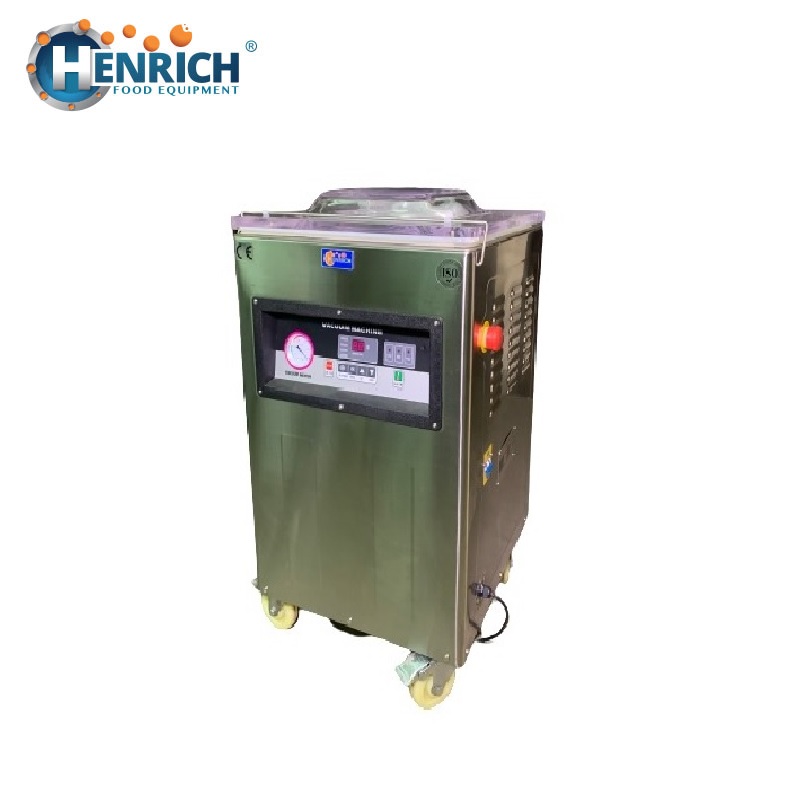
Commercial kitchens, however, frequently use chamber vacuum sealers. These machines operate by removing air from the entire chamber, not just the bag itself. This allows them to use smooth vacuum sealer bags, which are generally more cost-effective and provide superior clarity. It’s a fundamental difference: smooth bags won’t work with external suction sealers, and while embossed bags can work with chamber sealers, they are often unnecessary and more expensive for that application.
Decoding Commercial Vacuum Sealer Bags: Types and Materials
Choosing the right commercial vacuum sealer bag involves understanding the various types and the materials they’re made from. It’s not a one-size-fits-all solution; your choice depends on your specific sealer and what you’re preserving.
Smooth Operator: Chamber Vacuum Bags
For chamber vacuum sealers, smooth bags are the go-to. These bags are typically made from multiple layers of co-extruded film, often a blend of polyethylene and nylon, creating a strong, impermeable barrier. Their smooth surface allows for a perfect, consistent seal within the vacuum chamber environment. “The uniformity of smooth chamber bags ensures an impeccable seal, which is paramount for sensitive items or liquids,” notes Chef Anya Sharma, a culinary technologist.
The Textured Advantage: Embossed Bags for External Sealers
If you’re using an external suction sealer, embossed bags are your essential tool. The textured channels on these bags are vital for allowing air to escape efficiently before the seal is made. While they may be slightly more expensive, their design is indispensable for non-chamber machines, ensuring a tight seal and preventing incomplete vacuuming. They are also known for increased puncture resistance.
Rolls vs. Pre-Cut: Tailoring to Your Needs
Commercial vacuum sealer bags come in two main formats:
- Pre-cut bags: These are ready to use and convenient for standard portion sizes, saving time in busy operations.
- Vacuum sealer rolls: These offer immense flexibility. You can cut the roll to the exact length you need, minimizing waste and perfectly accommodating unusually sized items, from whole fish to large roasts. This customizability can lead to significant cost savings over time.
Material Matters: Thickness, Layers, and Food Safety
The durability and performance of your vacuum sealer bags are largely determined by their material composition and thickness, measured in “mil” (one-thousandth of an inch).
- Thickness:
- 3-mil: This is the industry standard for general commercial use, offering good protection for most food items.
- 4-mil and 5-mil: These heavier-duty bags are ideal for packaging items with sharp edges, like bone-in meats or seafood, providing superior puncture resistance for long-term storage or rough handling.
- Layers: High-quality commercial bags are often constructed from multiple layers (e.g., 7 or 9-layer co-extruded film) of different plastics like nylon and polyethylene. Nylon provides strength and acts as an oxygen barrier, while polyethylene ensures a strong seal and moisture resistance.
- Food Safety: Always opt for bags that are BPA-free and FDA/USDA approved. This guarantees that no harmful chemicals will leach into your food, upholding the highest standards of food safety, which is especially critical in commercial settings. Many are also safe for freezing, refrigerating, microwaving, and boiling, making them incredibly versatile.
Unlocking the Benefits: Why Commercial Bags are a Game-Changer
Adopting commercial vacuum sealer bags can revolutionize your food management, offering a multitude of benefits that extend far beyond simple storage.
Dramatically Extended Shelf Life & Reduced Spoilage
By removing oxygen, the primary culprit for food degradation, these bags drastically slow down bacterial growth and oxidation. This means meats, cheeses, fruits, and vegetables stay fresh up to five times longer than with conventional storage methods. Imagine fresh produce lasting weeks instead of days, or frozen meats retaining peak quality for years.
Cutting Down on Waste and Boosting Your Bottom Line
Food waste is a significant cost for any kitchen, commercial or home. Vacuum sealing allows you to buy ingredients in bulk, portion them out, and store them efficiently without fear of spoilage. This strategic approach minimizes waste, leading to substantial savings on your grocery bill and more efficient inventory management. “For businesses, reducing food waste directly impacts profitability. Commercial vacuum bags are an investment that pays for itself by preventing spoilage,” says Dr. Elena Petrova, a food sustainability expert.
Protecting Quality: No More Freezer Burn or Oxidation
The airtight seal created by these bags completely eliminates exposure to air, which is responsible for freezer burn and changes in food texture and color. Your ingredients maintain their natural moisture, flavor, and nutritional value, ensuring that every dish you prepare is as good as intended.
The Secret Ingredient for Sous Vide Success
For chefs and home cooks embracing modern culinary techniques, commercial vacuum sealer bags are indispensable for sous vide cooking. Their robust construction can withstand prolonged immersion in temperature-controlled water baths, ensuring even cooking and exceptional flavor infusion without compromising the seal.
Optimizing Storage Space and Kitchen Efficiency
Vacuum-sealed bags conform to the shape of the food, taking up less space than rigid containers. This allows for more organized and efficient storage in refrigerators, freezers, and pantries. Prep work can be done in advance, streamlining operations and saving valuable time during peak hours.
Seamless Sealing: Tips for Effective Use and Common Pitfalls
Even the best commercial vacuum sealer bags need to be used correctly to deliver their full potential. A few simple practices can make all the difference.
Preparation is Key: Cleanliness and Proper Filling
- Cleanliness: Always ensure the sealing area of the bag is clean and dry. Any food particles, grease, or moisture can compromise the seal.
- Proper Filling: Don’t overfill the bag. Leave at least 2-3 inches of space between the food and the top of the bag to allow for a strong, consistent seal. For liquids or moist foods, freezing them slightly beforehand or using a pouch stand can prevent drawing liquid into the sealing area.
The Art of Sealing: Achieving a Perfect Air-Tight Seal
- Positioning: Place the open end of the bag flat and smoothly into your vacuum sealer’s sealing bar. Ensure there are no wrinkles or creases.
- Double Sealing (Optional): For extra security, especially with liquids or sharp items, you can create a second seal just below the first.
Avoiding Common Mistakes: Overfilling, Wrong Bag Type
- Overfilling: As mentioned, too much food can prevent a proper vacuum and seal.
- Incorrect Bag Type: Using smooth bags with an external suction sealer or vice-versa will result in a failed seal and wasted effort [cite: 2 (buying guide)]. Always match the bag to your machine.
- Ignoring Thickness: Using a thin bag for bone-in cuts risks punctures and compromises the vacuum.
Beyond the Kitchen: Versatile Applications for Commercial Vacuum Sealer Bags
While primarily lauded for food preservation, commercial vacuum sealer bags have a surprising range of applications, showcasing their adaptability.
From Restaurants to Home Chefs: Who Benefits?
- Restaurants & Catering: Ideal for portion control, ingredient prep, sous vide, and reducing spoilage of costly ingredients.
- Hunters & Anglers: Perfect for preserving game meat and fish, protecting against freezer burn for long-term storage.
- Bulk Shoppers & Home Preppers: Enables buying in large quantities at a discount, then portioning and storing for months.
- Gardeners & Farmers: Extends the life of seasonal harvests, allowing enjoyment year-round.
Specialty Uses: Marinating, Curing, Non-Food Items
Vacuum sealing creates an intense pressure environment that significantly speeds up marinating and curing processes, infusing flavors deeply and quickly. Beyond food, these robust bags are excellent for protecting non-food items like important documents, valuable collectibles, silver to prevent tarnishing, or even compressing clothing for space-saving travel or storage.
Choosing Your Champion: What to Look For in Commercial Vacuum Sealer Bags
Making the right choice ensures you get the most out of your vacuum sealing system. Consider these key factors:
Compatibility with Your Sealer
This is paramount. Determine if you have a chamber vacuum sealer (requires smooth bags) or an external suction sealer (requires embossed/channeled bags) [cite: 2 (buying guide)]. Mismatched bags will not work effectively.
Thickness and Durability for Your Needs
Assess the types of items you’ll be sealing. For everyday foods without sharp edges, 3-mil bags are usually sufficient. For bone-in meats, frozen produce prone to sharp edges, or long-term storage, opt for thicker 4-mil or 5-mil options for enhanced puncture resistance.
Size and Quantity Considerations
Commercial vacuum sealer bags come in a vast array of sizes. Consider if pre-cut bags in standard sizes meet your needs, or if rolls offer more flexibility and cost-effectiveness for custom sizes. Buying in bulk often leads to significant savings, especially for high-volume users.
Safety First: Certifications and Materials
Prioritize bags that are BPA-free and FDA/USDA approved for food contact. Also, check if they are rated for specific uses like boiling, microwaving, or freezing if those applications are important to you.
Frequently Asked Questions (FAQ)
Can commercial vacuum sealer bags be reused?
While some home users might wash and reuse bags, it’s generally not recommended for commercial food safety reasons due to the difficulty of proper sterilization and the risk of cross-contamination [cite: 2 (buying guide)].
Are all vacuum sealer bags universal?
No, absolutely not. Bags are specifically designed for either chamber vacuum sealers (smooth bags) or external suction vacuum sealers (embossed/channeled bags). Using the wrong type will prevent proper sealing [cite: 2 (buying guide)].
What mil thickness is best for bones?
For bone-in meats or items with sharp edges, 4-mil or 5-mil thick commercial vacuum sealer bags are highly recommended. Their increased durability significantly reduces the risk of punctures that can break the vacuum seal.
Can I boil or microwave food in these bags?
Many commercial vacuum sealer bags are specifically designed to be freezer-safe, boilable, and microwave-safe, making them excellent for sous vide cooking and reheating. Always check the product specifications to confirm.
How long do foods last in commercial vacuum sealer bags?
Vacuum sealing can extend the shelf life of food dramatically. For example, fresh meats can last up to 2 years in the freezer, and vegetables up to 2 years, compared to months or even days with traditional methods. Refrigerated items also see significant extensions in freshness.
Your Path to Enhanced Preservation
The world of commercial vacuum sealer bags offers an incredible opportunity to elevate your food preservation practices, whether you’re running a bustling kitchen or aiming for peak efficiency in your home. By understanding the different types, materials, and benefits, you can make informed choices that lead to significantly extended shelf life, reduced waste, and consistently high-quality ingredients. Embrace the power of vacuum sealing and unlock a new level of freshness and culinary convenience.