Navigating the world of food preservation can feel a bit like a culinary treasure hunt, and when it comes to keeping those delicious, moisture-rich meals fresh, a vacuum sealer is truly your X marks the spot. But not all vacuum sealers are created equal, especially when you’re dealing with succulent marinades, hearty stews, or delicate fish. If you’ve ever ended up with a messy counter or a failed seal trying to preserve your wet foods, you’re in the right place. This guide is dedicated to helping you find and master the Best Vacuum Sealer For Wet Foods, ensuring your culinary creations stay fresh, flavorful, and perfectly sealed every time.
What is a Vacuum Sealer and Why It’s Essential for Wet Foods?
At its core, a vacuum sealer removes air from a specially designed bag and then seals it shut, creating an airtight environment. This simple act works wonders for food preservation by significantly slowing down spoilage caused by oxygen, moisture, and microorganisms. For dry goods, it’s a no-brainer. But for wet foods – think juicy steaks, rich gravies, or vibrant fruit purees – the stakes are higher. The presence of liquid introduces a unique challenge: preventing it from being drawn into the machine during the vacuuming process, which can lead to incomplete seals and damaged appliances.
That’s where the right vacuum sealer makes all the difference. For home cooks who love to sous vide, prepare meals in advance, or simply minimize waste from bulk purchases of moist ingredients, a reliable vacuum sealer designed for wet foods isn’t just a convenience; it’s an absolute necessity. It ensures that every drop of flavor stays exactly where it belongs, preserving quality and extending shelf life far beyond conventional storage methods.
Understanding Your Options: External vs. Chamber Vacuum Sealers
When you’re searching for the best vacuum sealer for wet foods, you’ll primarily encounter two types: external vacuum sealers and chamber vacuum sealers. Each has its strengths and weaknesses, especially when tackling liquids.
External Vacuum Sealers: The Home Kitchen Hero (with a Catch)
External vacuum sealers are the most common type for home use. They’re typically more compact, affordable, and easy to store. They work by drawing air out of a bag through a nozzle or channel while the bag’s open end is positioned outside the machine.
- Pros: Price-friendly, space-saving, and great for dry or slightly moist foods.
- Cons: These sealers can struggle with significant amounts of liquid. If liquid gets sucked into the vacuum channel, it can lead to a “wet seal” that fails, or worse, damage the machine’s pump. Careful technique is crucial when sealing wet items with an external model.
Chamber Vacuum Sealers: The Liquid Whisperer
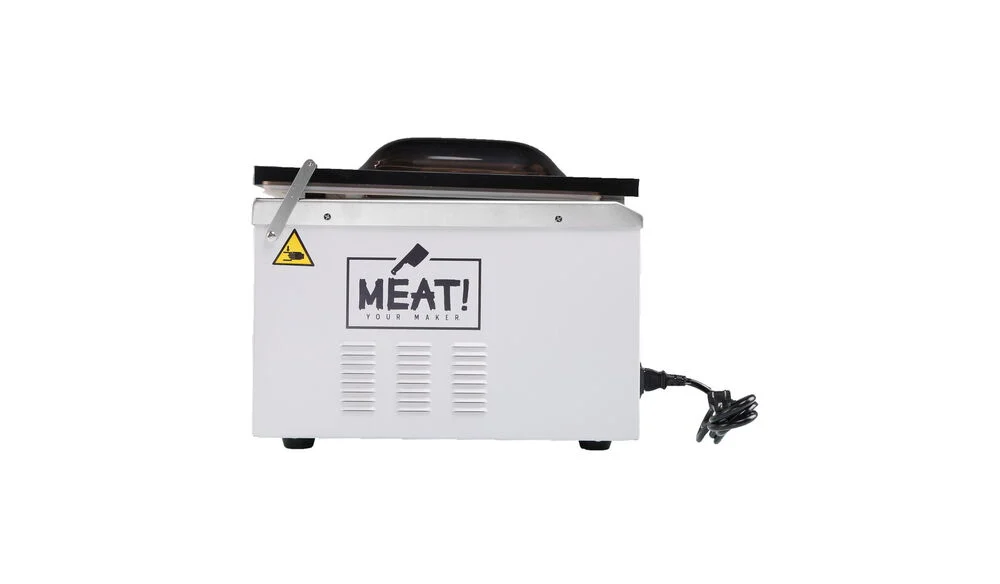
Chamber vacuum sealers are often seen in professional kitchens, but they’re gaining popularity among serious home cooks. Unlike external models, the entire bag is placed inside a chamber before the lid is closed. The machine then removes air from the entire chamber, equalizing the pressure inside and outside the bag.
- Pros: Unmatched for wet foods and liquids! Because the pressure is equalized, liquids don’t get sucked out of the bag. This makes them ideal for soups, stews, marinades, and even delicate items like fish fillets in sauce. They also produce incredibly strong, reliable seals.
- Cons: Significantly more expensive, much larger, and heavier than external models, requiring dedicated counter space.
Which one is right for you? If you primarily seal dry goods and occasionally handle slightly moist foods with careful preparation, an external sealer with specific wet-food features might suffice. However, if your kitchen regularly sees large batches of soups, sauces, or marinated meats, a chamber vacuum sealer is truly the best vacuum sealer for wet foods you can invest in, offering unparalleled ease and reliability.
Key Features to Look For in a Wet Food Vacuum Sealer
Regardless of whether you choose an external or chamber model, certain features make a vacuum sealer particularly adept at handling wet and moist foods. Keep an eye out for these game-changers:
- Moist/Wet Setting: This dedicated setting adjusts the vacuum pressure and seal time to accommodate moisture. It often vacuums slower and seals longer, giving any accidental liquid time to settle before the final seal is made.
- Liquid/Drip Tray: An absolute must-have! This tray sits beneath the sealing area, designed to catch any stray liquids that might get drawn up. Look for one that’s removable and dishwasher-safe for easy cleanup.
- Pulse Function: This feature allows you to manually control the vacuum process. You can start and stop the vacuum with a button, letting you observe the liquid and prevent it from reaching the seal bar. It’s like having a manual override for precision sealing.
- Extra-Wide Sealing Bar: A wider seal (e.g., 5mm instead of 3mm) provides a more robust and secure closure, which is especially beneficial when dealing with the added stress of moisture.
- Marinating Function: Some advanced models offer a quick marinating cycle. By rapidly pulsing the vacuum, it helps marinades penetrate food faster.
- Heavy-Duty Pump: A stronger pump can handle the demands of continuously sealing wet foods more efficiently and reliably, preventing overheating and extending the life of your machine.
Top Tips for Perfectly Sealing Wet and Moist Foods
Even with the best vacuum sealer for wet foods, technique matters. Here are some pro tips to ensure a perfect, mess-free seal every time:
- Pre-Freezing is Your Best Friend: For very liquid-heavy items like soups, stews, or even heavily marinated meats, partially freezing them first can be a lifesaver. Freeze the liquid until it’s slushy or even solid, then vacuum seal. This prevents any liquid from being pulled into the machine.
- The Paper Towel Trick: Place a folded paper towel or a small piece of cotton inside the bag, just above the food and below where you intend to seal. This acts as an absorbent barrier, catching any tiny droplets that might try to sneak past.
- Maintain a Dry Seal Area: This cannot be stressed enough. Any moisture, grease, or food particles on the inner surface of the bag where the seal will be made can compromise the integrity of the seal. Always wipe this area clean and dry.
- Don’t Overfill Your Bags: Leave ample space – at least 2-3 inches – between the food and the desired seal line. This buffer zone is crucial for preventing liquids from reaching the seal bar and allows the bag to properly form around the food.
- Elevate the Liquid: When sealing, try to position the bag so that the liquid portion of the food is at the lowest point, away from the opening. You can do this by slightly tilting the sealer or placing the food on a raised surface.
- Master the Pulse Function: If your sealer has a pulse function, practice using it. This manual control gives you the power to stop the vacuum just before liquid gets too close to the sealing area, then immediately hit the seal button.
- Double Sealing for Extra Security: For critical items or if you’re using an external sealer with a particularly wet food, consider making a second seal just below the first one. This provides an extra layer of protection against potential leaks.
Beyond Preservation: The Broader Benefits of Vacuum Sealing Wet Foods
The advantages of vacuum sealing wet foods extend far beyond simply keeping them fresh longer. It unlocks a world of culinary possibilities and practical benefits for any kitchen.
- Extending Shelf Life & Fighting Freezer Burn: By removing oxygen, vacuum sealing dramatically prolongs the life of moist foods in the fridge and freezer. It’s the ultimate defense against freezer burn, keeping your sauces, stews, and marinated meats tasting as fresh as the day you made them.
- Effortless Meal Prep & Portion Control: Cook large batches of your favorite wet dishes like chili or curry, then vacuum seal them into individual portions. This makes weeknight meals a breeze and helps you manage your diet by controlling portion sizes.
- Revolutionizing Sous Vide Cooking: Vacuum sealing is absolutely essential for sous vide. Sealing wet ingredients like seasoned chicken breasts or fish fillets with butter and herbs ensures even cooking and infuses flavors perfectly within a water bath.
- Supercharging Marinades: Vacuum sealing compresses the food and opens its pores, allowing marinades to penetrate much faster and more deeply than traditional methods. What used to take hours can now be achieved in minutes.
- Reducing Food Waste, Saving Money: How often do half-used containers of sauce or leftover soup go bad? Vacuum sealing prevents this by locking in freshness, helping you maximize your groceries and significantly cut down on food waste, ultimately saving you money.
As Chef Anya Sharma, a renowned food preservation expert, wisely stated, “Mastering the art of vacuum sealing wet foods is a game-changer for anyone passionate about flavor and efficiency in the kitchen. It’s not just about extending shelf life; it’s about elevating your entire cooking and storage philosophy.”
Choosing Your Champion: Recommendations for Wet Food Enthusiasts
When selecting your best vacuum sealer for wet foods, consider your specific needs.
- For the Casual Home Cook: If you mostly seal dry goods but want the option for occasional wet foods, an external vacuum sealer with a pulse function, a moist setting, and a reliable drip tray will be a strong contender. Look for models with good reviews specifically mentioning wet food handling.
- For the Serious Home Chef or Bulk Preserver: If you frequently handle large quantities of liquids, soups, sauces, or engage in extensive sous vide cooking, investing in a chamber vacuum sealer will provide the most hassle-free and professional results. While a larger upfront investment, its superior performance with wet items makes it invaluable.
Prioritize ease of cleaning, bag availability, and overall build quality, especially for components related to liquid handling.
Common Mistakes to Avoid When Vacuum Sealing Wet Foods
Even with the right equipment, a few pitfalls can hinder your wet food sealing success:
- Ignoring the Liquid Trap: Neglecting to clean the liquid drip tray can lead to unsanitary conditions and potential machine malfunctions.
- Not Pre-Freezing: Trying to vacuum seal thin liquids directly with an external sealer is almost guaranteed to end in a mess and a failed seal. Always pre-freeze!
- Using the Wrong Bag Type: Ensure your bags are specifically designed for vacuum sealing and are compatible with your machine. Generic or thin bags may not hold up to the vacuum pressure or provide an adequate seal, especially with moist contents.
- Rushing the Sealing Process: Take your time, especially if using a pulse function. Observe the liquid’s movement and ensure the sealing area is clear before hitting the seal button.
FAQ: Your Burning Questions About Vacuum Sealing Wet Foods
Can I vacuum seal soup?
Yes, absolutely! For external vacuum sealers, it’s highly recommended to freeze the soup first until it’s solid or slushy. Chamber vacuum sealers can typically handle liquid soup directly without pre-freezing.
What’s the difference between moist and dry settings on a vacuum sealer?
The moist setting often uses a slightly lower vacuum pressure and a longer sealing time. This helps prevent liquids from being drawn into the machine and ensures a strong, reliable seal despite the presence of moisture.
How much space should I leave in the bag when sealing wet foods?
Always leave at least 2-3 inches of space between the food and the top of the bag where the seal will be made. This creates a crucial buffer zone for liquids and allows the machine to create a proper vacuum.
Are all vacuum sealer bags safe for wet foods?
Most vacuum sealer bags are designed to handle various food types. However, ensure they are high-quality, BPA-free, and suitable for freezing and cooking (if you plan to sous vide). Using proper food-grade bags prevents leaks and maintains food safety.
Can I marinate food directly in a vacuum sealer bag?
Yes! Vacuum sealing is excellent for marinating. The vacuum pressure helps open the pores of the food, allowing the marinade to penetrate much faster and more effectively, resulting in more flavorful dishes in less time.
Embrace the Power of Vacuum Sealing for Wet Foods
The journey to perfect food preservation, especially for those delightful wet and moist ingredients, is an exciting one. By understanding the nuances of different vacuum sealers, knowing which features to prioritize, and employing smart sealing techniques, you can confidently preserve everything from delicate sauces to hearty stews. Investing in the best vacuum sealer for wet foods and mastering its use will not only extend the life of your culinary creations but also open up a world of convenience, flavor, and reduced waste in your kitchen. So go ahead, seal with confidence, and savor every bite!