Tired of throwing out spoiled food? Wishing you could buy in bulk without the worry of waste? A vacuum sealer is your kitchen’s unsung hero, and for those who handle serious amounts of food – think large families, avid hunters, batch cooks, or home gardeners – investing in the Best Vacuum Sealer For Heavy Use isn’t just a convenience; it’s a game-changer. Standard vacuum sealers can quickly falter under the demands of frequent operation, overheating or providing inconsistent seals. But a heavy-duty model is built to withstand the rigors, transforming your food preservation efforts into a smooth, efficient, and cost-saving operation.
What is a Vacuum Sealer and Why You Need One for Heavy Use?
At its core, a vacuum sealer removes air from a specialized bag or container, then seals it airtight. This absence of oxygen drastically slows down spoilage, preventing freezer burn, mold, and bacterial growth. While any vacuum sealer offers these benefits, “heavy use” implies a different league of demands. If you find yourself constantly processing large quantities of meat after a hunting trip, freezing gallons of garden-fresh produce, or preparing meals for an entire month, a typical consumer-grade machine simply won’t cut it.
For heavy users, a vacuum sealer needs to be a workhorse, not a delicate appliance. It needs to perform reliably, seal after seal, without long cool-down periods or inconsistent results. This is where the distinction of a heavy-duty model becomes paramount, providing the power, durability, and efficiency required to tackle substantial food preservation tasks with ease.
Types of Vacuum Sealers for Heavy-Duty Performance
When looking for a vacuum sealer that can handle the toughest jobs, you’ll primarily encounter two main types, each with its own strengths for heavy use:
External Vacuum Sealers (Edge Sealers)
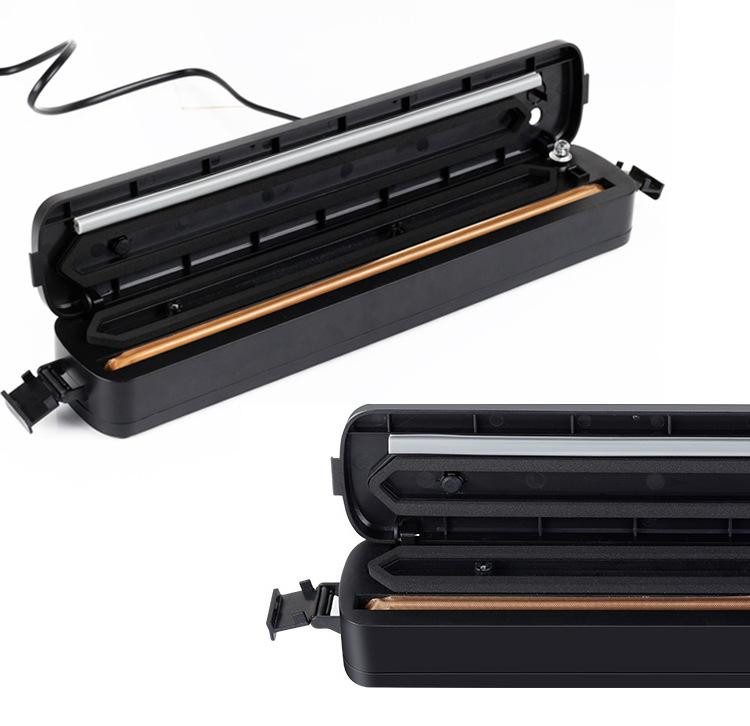
These are the most common type for home use, even in heavy-duty versions. They work by clamping onto the open edge of a specialized, textured bag, then suctioning out the air before sealing.
Pros for Heavy Use:
- More Affordable: Generally have a lower initial cost compared to chamber models.
- Versatile for Solids: Excellent for dry goods, meats, and produce that don’t contain much liquid.
- Compact Designs: Even heavy-duty external sealers can be relatively countertop-friendly.
Cons for Heavy Use:
- Bag Dependence: Require textured or embossed bags, which are typically more expensive per bag than smooth chamber bags.
- Liquid Challenge: Can struggle with liquids, as the vacuum can pull moisture into the sealing area, potentially compromising the seal or damaging the machine. Some advanced models offer moist settings or drip trays to mitigate this.
- Cooling Time: Many consumer external models require cool-down periods between seals to prevent overheating, which can slow down high-volume processing. Heavy-duty versions, however, are specifically designed to minimize this downtime.
When choosing an external sealer for heavy use, prioritize models with powerful motors, wide sealing bars, and, crucially, fan-cooled motors or a “continuous use” rating to ensure they can keep up with your demands.
Chamber Vacuum Sealers
These are the titans of vacuum sealing, often found in professional kitchens but increasingly popular among serious home cooks and large-scale preservers. With a chamber sealer, the entire bag, along with its contents, is placed inside an airtight chamber. The machine then removes all the air from the chamber, creating equal pressure inside and outside the bag before sealing.
Pros for Heavy Use:
- Superior for Liquids: Because the pressure is equalized inside and outside the bag, liquids, marinades, and sauces can be sealed effortlessly without being drawn into the pump.
- Consistent, Reliable Seals: Known for achieving strong, hermetic seals every time.
- Economical Bags: Can use smooth, non-textured bags, which are significantly cheaper in bulk, leading to substantial long-term savings for heavy users.
- Continuous Operation: Typically built for non-stop use without overheating, making them ideal for high-volume tasks.
- Versatility: Excellent for delicate foods (won’t crush them), infusing, and pickling.
Cons:
- Higher Upfront Cost: The initial investment is considerably higher than most external sealers.
- Larger Footprint: Chamber sealers are much bulkier and heavier, requiring dedicated counter space or storage.
For those truly committed to heavy-duty food preservation and willing to make a significant upfront investment, a chamber vacuum sealer offers unmatched performance and cost efficiency over time.
Key Features to Look For in a Heavy-Duty Vacuum Sealer
Choosing the best vacuum sealer for heavy use means looking beyond basic functionality. Here’s what truly distinguishes a robust model:
Motor and Pump Power
The motor and pump are the heart of your vacuum sealer. For heavy use, you need power and efficiency.
- Powerful Motor: Look for specifications in watts (W) or suction power (kPa). Higher numbers generally mean faster and more thorough air extraction.
- Pump Type: Dry pumps are common in external sealers. For continuous, demanding work, some commercial-grade external sealers and most chamber sealers use oil pumps, which are known for their durability and ability to maintain high vacuum levels. However, oil pumps require periodic maintenance (oil changes).
- Double-Piston Pumps: Some heavy-duty external sealers feature double-piston pumps, providing enhanced suction and speed.
Duty Cycle and Cooling System
This is critical for heavy use. A “duty cycle” refers to how long a machine can operate before needing a rest to cool down.
- Continuous Use / 100% Duty Cycle: Ideal for processing large batches, these machines are designed to run non-stop without overheating.
- Fan-Cooled Motors: A built-in cooling fan prevents the motor from overheating during prolonged operation, a must-have for heavy-duty models. Avoid machines with specified long cool-down periods if you plan extensive sealing sessions.
Sealing Bar Quality
A strong, consistent seal is paramount.
- Wide Sealing Bar: A wider sealing bar (e.g., 15-16 inches) accommodates larger bags, which is beneficial for bulk items.
- Double Seal Capability: Many heavy-duty units offer a double seal, creating two heat seals for extra security, especially important for long-term freezer storage or sous vide cooking.
Construction Materials
Durability comes from robust build quality.
- Stainless Steel: Look for units constructed from heavy-gauge stainless steel, which is resistant to corrosion, easy to clean, and built to withstand years of rigorous use.
- Heavy-Duty Hinges and Latch: The lid mechanism should feel solid and secure, designed for repeated opening and closing.
User-Friendly Controls and Modes
Even a powerful machine should be easy to operate.
- Intuitive Interface: Clear, well-labeled buttons and often a digital display for settings.
- Automatic and Manual Modes: Automatic operation is great for efficiency, but a manual mode (often a “pulse” function) is invaluable for delicate items, allowing you to control the vacuum pressure and prevent crushing.
- Dry/Moist/Liquid Settings: These specialized settings optimize the vacuum and seal for different food consistencies, ensuring a perfect seal every time, even with a hint of moisture.
Convenience Features
These details enhance the heavy-use experience.
- Built-in Roll Storage and Cutter: Essential for making custom-sized bags quickly and efficiently, reducing bag waste.
- Accessory Port: Allows you to vacuum seal canisters, jars, and bottles, expanding your preservation options.
- Drip Tray: A removable, dishwasher-safe drip tray is a lifesaver for catching any accidental liquids, keeping your machine clean and preventing damage.
Step-by-Step Guide: Maximizing Your Heavy-Duty Vacuum Sealer
Getting the most out of your powerful new appliance involves more than just pressing a button. Follow these steps for optimal results:
- Preparation is Key:
- Clean and Dry: Ensure food items are clean and as dry as possible, especially around the sealing area, to prevent seal failure.
- Pre-freeze Liquids/Soft Items: For liquids like soups or stews, partially freeze them in a container (like a freezer-safe dish) until solid enough to hold their shape, then transfer to a vacuum bag. This prevents liquid from being drawn into the sealer. For delicate soft fruits, a quick pre-freeze helps maintain their form.
- Portion Control: Divide food into the portions you’ll likely use later, whether for individual meals or family dinners.
- Choosing the Right Bag:
- External Sealers: Use specialized textured or embossed bags, which have channels that allow air to be drawn out.
- Chamber Sealers: Use smooth, flat-surface bags.
- Proper Sizing: Don’t use a bag that’s too small or too large. Ensure you have ample space (at least 3-4 inches) between the food and the top edge where the seal will be made.
- Filling and Positioning:
- Don’t Overfill: Leave enough room at the top for the sealing bar and for the bag to flatten during vacuuming.
- Smooth out Wrinkles: Ensure the open end of the bag is flat and free of wrinkles to guarantee a perfect seal.
- Sealing Process:
- Position Bag: Place the open end of the bag correctly into the sealing channel or chamber according to your machine’s instructions.
- Choose Mode: Select the appropriate mode (dry, moist, gentle, normal) based on your food.
- Utilize Pulse: For delicate items like bread or chips, use the pulse function to manually control the vacuum, stopping just before the food gets crushed.
- Initiate Seal: Close the lid firmly (some have auto-locking mechanisms) and start the vacuum/seal cycle.
- Post-Sealing Care:
- Label and Date: Always label your sealed bags with the contents and the date to keep track of freshness.
- Proper Storage: Store vacuum-sealed foods in the freezer, refrigerator, or pantry as appropriate for the food type.
Pro Tips for Vacuum Sealing for Heavy Use and Common Mistakes to Avoid
A heavy-duty vacuum sealer is an investment, and mastering its use ensures you get the most out of it.
Pro Tips:
- Batch Processing Efficiency: When you have a lot to seal, organize your workspace. Lay out all your bags, portions, and labels beforehand to create an assembly line, minimizing interruptions and maximizing your machine’s continuous sealing capabilities.
- Freezing Liquids/Sauces First: For messy liquids, partially freeze them in ice cube trays or containers before sealing. This prevents liquids from being sucked into the machine and allows for easy portioning.
- Rapid Marinating: Vacuum sealing opens the pores of food, allowing marinades to penetrate much faster – think minutes instead of hours. This is a fantastic time-saver for meal prep.
- Sous Vide Partner: Vacuum sealing is the perfect companion for sous vide cooking. It creates a watertight environment for perfectly cooked, flavorful food.
- Optimize Freezer Space: Flat-sealed bags stack neatly, significantly increasing your freezer capacity and making items easy to find.
- Protective Barriers: For foods with sharp edges (like bones), place a small piece of paper towel or an extra piece of bag material over the sharp part before sealing to prevent punctures.
Common Mistakes to Avoid:
- Overfilling Bags: Leaving insufficient space at the top can lead to weak seals or difficulty achieving a vacuum.
- Not Cleaning the Sealing Bar: Food particles or moisture on the sealing bar can prevent an airtight seal. Always wipe it clean between uses and especially after sealing.
- Sealing Wet Items Directly with External Sealers: This is a common pitfall. The liquid can get sucked into the vacuum channel, leading to seal failure and potential machine damage. Use the “moist” setting if available, or pre-freeze as a workaround.
- Ignoring Cool-Down Times: If your specific heavy-duty model still requires a brief cool-down (though many modern ones don’t), ignoring this can lead to overheating and premature wear.
- Using the Wrong Bag Types: External sealers need textured bags; chamber sealers need smooth ones. Using the wrong type will result in seal failure.
The Benefits of Heavy-Duty Vacuum Sealing: Beyond Just Freshness
The advantages of using a heavy-duty vacuum sealer extend far beyond simply keeping food fresh a little longer.
- Extended Shelf Life: Vacuum sealing can extend the shelf life of food up to 5 times longer than conventional methods, drastically reducing spoilage and waste.
- Significant Cost Savings: By enabling bulk purchasing, preserving garden harvests, and extending the life of leftovers, a heavy-duty vacuum sealer pays for itself by cutting down on food expenditures.
- Enhanced Flavor and Quality: It locks in nutrients and flavor, preventing freezer burn that degrades taste and texture. Marinades penetrate deeper, quicker, and sous vide cooking reaches new heights of perfection.
- Optimized Space: Flattened, sealed bags take up less room in your freezer, refrigerator, or pantry, making organization a breeze.
- Emergency Preparedness: Long-term food storage becomes simple, allowing you to build up a robust emergency food supply.
- Diet and Portion Control: Easily portion out meals or snacks, making healthy eating and diet management simpler.
Applications of Your Heavy-Duty Vacuum Sealer
Your heavy-duty vacuum sealer isn’t just a gadget; it’s a versatile tool for a myriad of applications:
- For the Avid Hunter/Fisherman: Preserve game meat and fish for months or even years, maintaining their quality from field to fork.
- Bulk Shoppers and Large Families: Portion large economy packs of meat, cheese, or produce into meal-sized servings for easy freezing and thawing, preventing food from going bad.
- Meal Preppers: Prepare and vacuum seal all your meals for the week or month, saving time and ensuring fresh, healthy options are always available.
- Gardeners and Farmers: Lock in the freshness of seasonal fruits and vegetables, extending your harvest enjoyment long after the growing season ends.
- Small Home Businesses: If you create artisan foods like jerky, baked goods, or homemade sausages, vacuum sealing provides professional-grade packaging that extends shelf life and maintains product integrity.
Expert Insight
“Choosing the right vacuum sealer for heavy use isn’t just about preserving food; it’s about investing in efficiency and flavor. A robust model with a strong pump and continuous duty cycle transforms your kitchen into a food preservation powerhouse, dramatically cutting waste and unlocking culinary potential.” – Dr. Eleanor Vance, Food Science & Preservation Specialist.
Frequently Asked Questions (FAQ)
Q: What’s the main difference between an external and a chamber vacuum sealer for heavy use?
A: For heavy use, an external sealer works by clamping bags and drawing air out, requiring textured bags. A chamber sealer places the entire bag inside a chamber, removing air from the whole environment, which is superior for liquids and uses more cost-effective smooth bags. Chamber sealers generally offer true continuous operation.
Q: How often can I use a heavy-duty vacuum sealer?
A: The best vacuum sealers for heavy use, especially commercial-grade external models and chamber sealers, are designed for continuous operation without needing cool-down periods. This means you can typically run them for extended periods to process large batches of food, unlike many standard consumer models.
Q: Are special bags required for heavy-duty vacuum sealers?
A: Yes, external vacuum sealers (even heavy-duty ones) require textured or embossed bags to allow air channels for proper suction. Chamber vacuum sealers, however, use smooth, flat bags, which are often more economical in the long run.
Q: Can I vacuum seal liquids with an external sealer?
A: It’s challenging. Liquids can be drawn into the machine, potentially damaging it or preventing a proper seal. Some heavy-duty external sealers have “moist” settings or drip trays to help, but the best method is to partially freeze liquids before sealing or opt for a chamber vacuum sealer.
Q: How do I maintain my heavy-duty vacuum sealer?
A: Regular cleaning of the sealing bar and drip tray is essential. For models with oil pumps, routine oil changes (as specified by the manufacturer) are necessary for longevity. Always refer to your specific model’s manual for detailed maintenance instructions.
Conclusion
The pursuit of the best vacuum sealer for heavy use is a journey towards greater efficiency, significant savings, and unparalleled food quality in your kitchen. Whether you’re a seasoned preserver, a bulk buyer for a busy household, or an outdoor enthusiast, investing in a powerful, durable, and feature-rich vacuum sealer will revolutionize the way you manage and enjoy your food. Embrace the power of vacuum sealing and unlock a world where freshness, flavor, and convenience reign supreme. It’s more than just an appliance; it’s a commitment to a smarter, less wasteful way of living.