Stepping into the world of vacuum sealing can revolutionize how you manage food, extending freshness, reducing waste, and making meal prep a breeze. But the secret weapon in this culinary arsenal isn’t just the sealer itself; it’s the quality of the Best Vacuum Sealer Bags you choose. These seemingly simple plastic pouches are the frontline defense against spoilage, freezer burn, and wasted groceries. Understanding what makes a bag truly effective is key to unlocking the full potential of your vacuum sealing system and enjoying fresher food for longer.
Vacuum Sealer Bags: More Than Just Plastic
At its core, a vacuum sealer bag works by creating an airtight environment around your food, removing oxygen which is the primary culprit behind spoilage and freezer burn. This process dramatically slows down the oxidation that degrades food quality, taste, and nutritional value. For home cooks and culinary enthusiasts, investing in the right vacuum sealer bags means savoring seasonal produce longer, preserving bulk purchases, and mastering advanced cooking techniques like sous vide.
Key Factors in Choosing the Best Vacuum Sealer Bags
Selecting the ideal vacuum sealer bags involves more than just picking a size. It requires a keen eye for compatibility, material quality, and intended use.
Compatibility is King: Textured vs. Smooth Bags
Before anything else, you need to match your bags to your machine. It’s a bit like choosing the right fuel for your car; use the wrong type, and things just won’t work as they should.
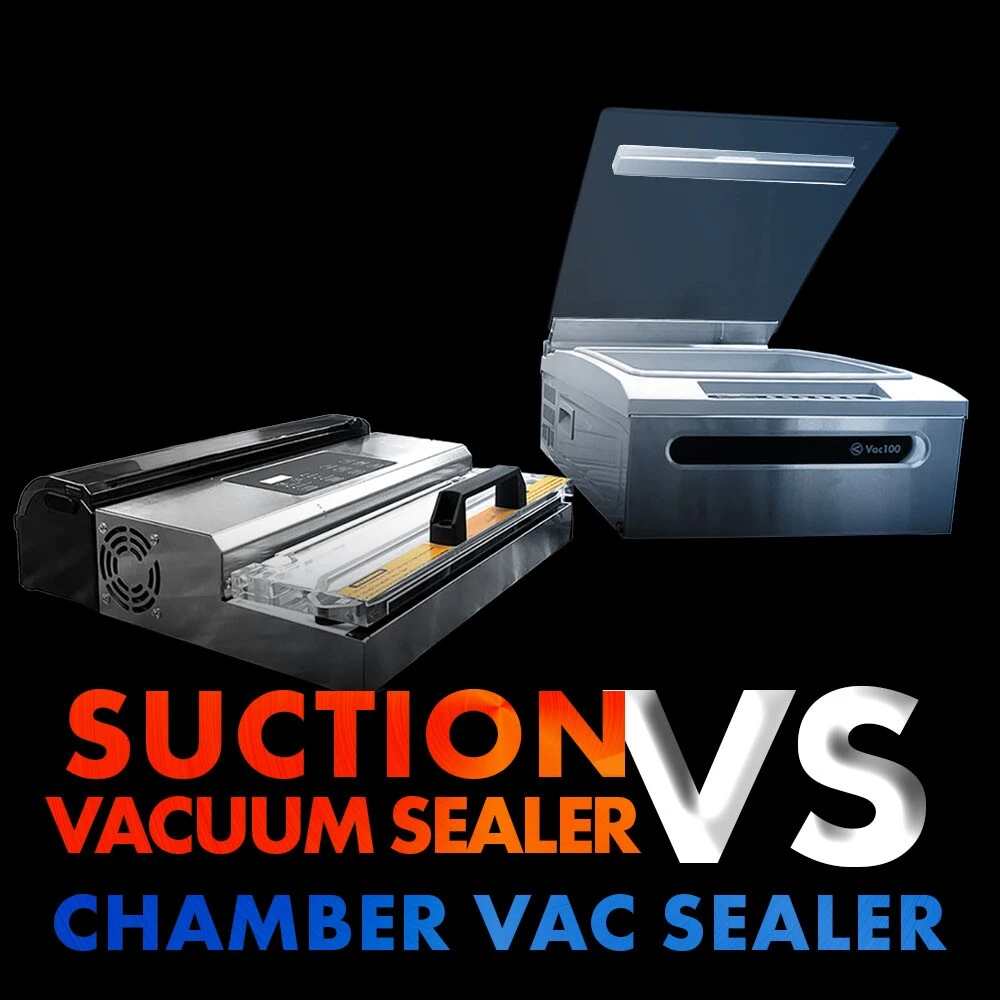
External Clamp Sealers: Most home vacuum sealers are external clamp models. These machines rely on bags with a textured or embossed surface. Why? The tiny channels on the bag’s surface provide pathways for air to escape as the machine draws a vacuum. Without these channels, the bag would collapse flat against itself, trapping air inside and preventing a complete seal.
Chamber Vacuum Sealers: If you own a chamber vacuum sealer (often found in commercial kitchens but gaining popularity among serious home chefs), you’ll need smooth vacuum sealer bags. These machines work by pulling air from an entire chamber, including the bag, allowing smooth bags to collapse and seal perfectly without the need for textured channels.
Always double-check your vacuum sealer’s manual to ensure you’re buying the correct bag type. Using the wrong bag can lead to frustrating sealing failures and wasted food.
Material Matters: Durability and Food Safety
The construction of your vacuum sealer bags directly impacts their performance and the safety of your food. Look for bags with a multi-layer design, typically a blend of polyethylene and nylon.
- Polyethylene provides the bag’s flexibility and heat-sealing capabilities.
- Nylon acts as an oxygen barrier, preventing air from re-entering the bag and protecting your food from oxidation.
Beyond durability, food safety is paramount. Always choose bags that are BPA-free and FDA-approved. BPA (Bisphenol A) is an industrial chemical found in some plastics that has raised concerns about potential health effects. FDA approval ensures the materials are safe for direct contact with food. These certifications give you peace of mind that no harmful chemicals will leach into your food, especially during heating or prolonged storage. Puncture resistance is also a crucial aspect, especially when sealing items with sharp edges like bones or dry pasta, as a small tear can compromise the vacuum seal.
Thickness (Mil): A Shield Against Spoilage
Bag thickness, measured in “Mil” (one-thousandth of an inch), plays a significant role in protection. Thicker bags offer enhanced durability and a stronger barrier against environmental factors.
- Standard bags (around 9-10 Mil): Excellent for general storage, preventing freezer burn for most foods stored for shorter periods.
- Heavy-duty bags (11.5-12 Mil or higher): Ideal for long-term storage, items with sharp bones, or foods that will endure rough handling in the freezer. They provide superior protection against punctures and maintain a vacuum seal more reliably over extended periods.
Choosing the right thickness helps prevent freezer burn, which occurs when food is exposed to air, leading to dehydration and oxidation, making food dry, discolored, and less flavorful.
Size and Format: Rolls vs. Pre-Cut Bags
Vacuum sealer bags come in two main formats: rolls and pre-cut bags, each with distinct advantages.
Vacuum Sealer Rolls: These are long rolls of bag material that allow you to create custom-sized bags.
- Customization: Perfect for sealing unusually shaped or sized items, from a small handful of herbs to a large roast. You simply cut the desired length and seal one end to form a bag.
- Reduced Waste: You can minimize plastic waste by making bags precisely the size you need, which can also be more cost-effective in the long run.
- Economical: Rolls often provide a better price per square foot compared to pre-cut bags.
Pre-Cut Bags: These come in standard sizes and are ready to use.
- Convenience: Great for quick sealing tasks and ideal if your vacuum sealer doesn’t have an integrated roll storage and cutter.
- Variety: Many pre-cut bags come in assorted sizes, offering versatility for common food items. Some even feature convenient zipper closures, allowing you to reseal the bag after opening for frequently accessed items like snacks or cheese.
Your choice often comes down to personal preference and how you primarily use your vacuum sealer. Many people find a combination of both formats works best.
Boil-Safe, Microwave-Safe, Freezer-Safe: Versatility is Key
Modern vacuum sealer bags are designed for versatility. Ensuring your bags are suitable for various cooking and storage methods expands your culinary possibilities.
- Boil-Safe: Essential for sous vide cooking, a technique where food is cooked precisely in a water bath. Boil-safe bags can withstand high temperatures without leaching chemicals or degrading.
- Microwave-Safe: Allows for convenient reheating of vacuum-sealed leftovers directly in the bag.
- Freezer-Safe: Crucial for long-term food preservation, preventing freezer burn and maintaining food quality even in sub-zero temperatures.
Always check the product specifications for these features to ensure they meet your needs, especially if you plan to use them for sous vide or reheating.
Navigating the Brands: Generic vs. Name-Brand (FoodSaver, OutOfAir, etc.)
When it comes to vacuum sealer bags, a big question often arises: should you stick with the brand name that matches your machine, or are generic alternatives just as good?
Name-Brand Bags (e.g., FoodSaver): These are specifically designed to work seamlessly with their corresponding machines. They often boast consistent quality, precise fit, and guaranteed performance. However, this convenience and assurance often come with a higher price tag.
Generic/Universal Bags (e.g., OutOfAir, Avid Armor): Many third-party manufacturers produce “universal” vacuum sealer bags that are compatible with most external clamp sealers.
- Cost-Effectiveness: Generic bags are typically significantly more affordable than name-brand options, offering substantial savings over time, especially for frequent users.
- Quality: The quality of generic bags has improved dramatically. Many generic brands, like OutOfAir, are highly rated for their durability, multi-layer construction, and food safety standards (BPA-free, FDA-approved). They are often just as thick and robust as their branded counterparts. Some even feature textured ridges on both sides for superior suction and tighter seals.
Ultimately, generic bags often present an excellent value proposition without compromising on performance. Many users find that well-reviewed generic bags work just as effectively, if not better, than the more expensive branded options, especially for everyday use and bulk storage.
Maximizing Your Vacuum Sealer Bags: Tips for Success
To get the most out of your vacuum sealer bags and ensure optimal food preservation, consider these practical tips:
- Don’t Overfill: Always leave at least three inches of space between the food and the top of the bag for a clean, secure seal. This space prevents food or liquids from interfering with the sealing bar.
- Keep the Seal Area Clean and Dry: Moisture or food particles on the sealing edge can prevent an airtight seal. Wipe the inside of the bag opening clean before sealing.
- Pre-Freeze Liquids or Moist Foods: For items like soups, sauces, or marinated meats, partially freezing them first (until firm) helps prevent liquids from being drawn into the vacuum sealer, which can compromise the seal.
- Protect Sharp Edges: If sealing foods with bones or sharp points, place a small piece of paper towel or an extra layer of bag material over the sharp area to prevent punctures.
- Consider Reusability (with caution): While some bags are advertised as reusable, it’s generally recommended for non-food items or after thorough cleaning and sterilization. For raw meats or highly perishable foods, single-use is always the safest option to prevent cross-contamination.
Expert Insight: What a Pro Looks For
“When I’m advising clients on food preservation, I always emphasize that the bag is just as critical as the sealer itself,” says Dr. Emily Carter, a renowned food science expert. “You can have the most advanced vacuum sealer, but if your bags aren’t durable, food-safe, and compatible with your machine, you’re not getting the protection you need. It’s an investment in quality and safety that truly pays off in the long run.”
Vacuum Sealer Bags: Transforming Your Kitchen
The right vacuum sealer bags are game-changers in the kitchen. They go beyond simple storage, actively transforming how you approach food. By locking in freshness up to five times longer than conventional methods, they significantly reduce food waste, saving you money and contributing to a more sustainable household. Imagine enjoying perfectly portioned, freezer-ready meals, effortlessly marinating meats in minutes, or achieving restaurant-quality results with sous vide cooking – all made possible by reliable, high-quality bags. They are the unsung heroes of extended shelf life, convenience, and culinary exploration.
Frequently Asked Questions (FAQ)
Can I use any vacuum sealer bags with my machine?
No, compatibility is crucial. External clamp vacuum sealers require textured or embossed bags to allow air to escape, while chamber vacuum sealers use smooth bags. Always check your machine’s specifications.
Are generic vacuum sealer bags as good as brand names?
Many generic or universal vacuum sealer bags are excellent alternatives to name-brand options. They often offer comparable quality, durability, and food safety features (like being BPA-free and FDA-approved) at a more affordable price point.
What does “BPA-free” mean for vacuum bags?
BPA-free means the bags are manufactured without Bisphenol A, an industrial chemical that has been a concern in some plastics. Choosing BPA-free bags ensures your food is not exposed to this chemical, enhancing food safety.
How thick should vacuum sealer bags be?
Bag thickness is measured in Mil. For general storage, 9-10 Mil is usually sufficient. For longer storage, items with bones, or frequent handling, thicker bags (11.5-12 Mil or more) offer superior puncture resistance and protection against freezer burn.
Can I reuse vacuum sealer bags?
While some bags can be reused, especially for non-food items or after thorough cleaning, it’s generally not recommended for raw meats or highly perishable foods due to potential bacterial contamination. For safety, single-use is often preferred for such items.
Conclusion
Choosing the best vacuum sealer bags is a fundamental step toward maximizing your food preservation efforts. By understanding the critical factors—compatibility, material safety, thickness, and format—you can make informed decisions that enhance food freshness, reduce waste, and streamline your kitchen routine. Don’t underestimate the power of a quality bag; it’s the barrier that keeps your food delicious, nutritious, and ready for your next culinary adventure. Invest wisely, and enjoy the lasting benefits of superior food preservation.