Imagine a world where your groceries last dramatically longer, where meal prep becomes a breeze, and where the frustrating cycle of food waste is finally broken. This isn’t a culinary fantasy; it’s the everyday reality enabled by the humble yet mighty vacuum sealer. In modern kitchens, a good vacuum sealer has become an indispensable tool, transforming how we store, prepare, and even cook our food. If you’re looking to elevate your food preservation game and find the Best Vacuum Sealer to fit your lifestyle, you’ve come to the right place. This comprehensive guide will walk you through everything you need to know, from understanding the science behind the seal to picking the perfect model for your home.
What is a Vacuum Sealer and Why Do You Need One?
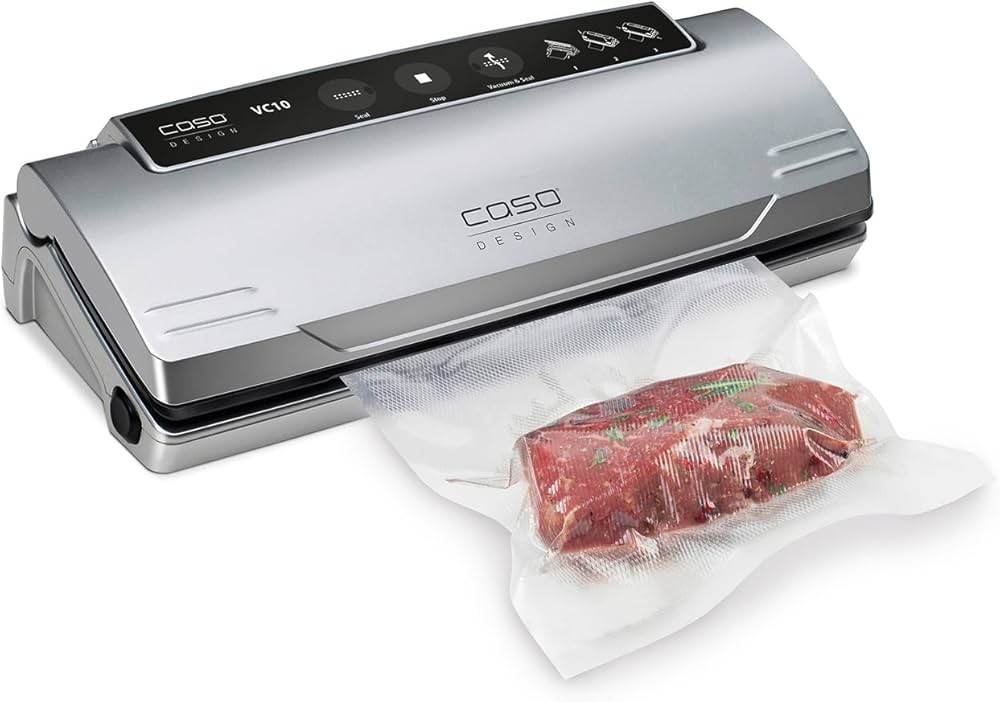
At its core, a vacuum sealer is a device designed to remove air from a bag or container before sealing it shut. Why is this so crucial? Air, particularly oxygen, is the primary culprit behind food spoilage. It promotes the growth of bacteria and mold, causes freezer burn, and leads to oxidation that degrades flavor, color, and texture. By eliminating oxygen, a vacuum sealer creates an anaerobic environment that drastically slows down these processes, keeping your food fresher for significantly longer.
The benefits extend far beyond just freshness. Investing in a quality vacuum sealer means:
- Extended Shelf Life: Foods can last three to five times longer than with conventional storage methods, whether in the pantry, fridge, or freezer.
- Preventing Freezer Burn: Say goodbye to dry, discolored, and unappetizing frozen foods. Vacuum sealing locks in moisture, maintaining taste and texture.
- Saving Money & Reducing Waste: Buying in bulk becomes smart and economical, as you can easily portion and preserve large quantities without fear of spoilage. Less wasted food means more money in your pocket.
- Optimized Space: Vacuum-sealed items are compact and stackable, freeing up valuable real estate in your freezer and pantry.
- Enhanced Flavor & Nutrition: With air removed, your food retains its natural flavors, nutrients, and vibrant colors much better over time.
- Aiding Culinary Techniques: It’s essential for sous vide cooking, allowing precise temperature control without water intrusion. It also speeds up marinating by opening food pores, infusing flavors in minutes.
Understanding the Different Types of Vacuum Sealers
Just like there are many ways to cook, there are different types of vacuum sealers, each with its own strengths. Knowing these distinctions will help you pinpoint the best vacuum sealer for your specific needs.
External (Suction) Vacuum Sealers
These are the most common and often the best vacuum sealer choice for home kitchens. With an external sealer, you place the open end of a specially designed, textured bag into the machine, which then sucks the air out directly from the bag before heat-sealing it.
- Pros: Generally more affordable, compact, and user-friendly. They’re excellent for dry and slightly moist foods and are perfect for everyday home use and meal prep.
- Cons: Not ideal for sealing liquids, as the suction can draw liquids into the machine’s motor. Delicate foods might also get crushed if not handled with care.
Chamber Vacuum Sealers
Often found in professional kitchens or for heavy-duty home use, chamber sealers work differently. You place the entire bag, food and all, inside a sealed chamber. The machine then removes air from the entire chamber, equalizing pressure both inside and outside the bag, before sealing it.
- Pros: Unbeatable for sealing liquids, moist foods, and delicate items without crushing. They offer superior, consistent seals and are built for high-volume use.
- Cons: Significantly more expensive, larger, and heavier than external sealers, requiring more counter or storage space.
Handheld Vacuum Sealers
These compact, portable devices are designed for quick tasks and smaller portions, often using specialized zipper bags or containers with a vacuum port.
- Pros: Highly convenient, easy to store, and great for on-the-go freshness, snacks, or extending the life of pantry staples like chips.
- Cons: Less powerful than their countertop counterparts, typically not suitable for large-scale sealing, and require specific bags/containers.
Key Features to Look for in the Best Vacuum Sealer
When you’re ready to pick out your perfect food preservation partner, consider these features to ensure you get the best vacuum sealer for your kitchen:
- Suction Power and Settings: Look for strong vacuum pressure (sometimes indicated in kPA). “Dry” and “Moist” food settings are crucial, as they adjust suction and seal time for different consistencies. A “Pulse” function offers manual control, allowing you to prevent crushing delicate items like pastries or soft fruits.
- Durability and Build Quality: A robust machine built with quality materials, such as stainless steel accents, tends to last longer. Pay attention to the sealing bar and vacuum pump, as these are the heart of the device. A good warranty is also a sign of manufacturer confidence.
- Ease of Use and Controls: An intuitive control panel, clear indicators, and one-touch operation can make a big difference. Features like an integrated bag cutter and roll storage simplify the process significantly, especially if you’re sealing frequently.
- Size and Storage: Measure your counter space! If space is a premium, consider a compact model that can be stored vertically or a handheld option. For bulk users, a larger, more permanent fixture might be worth the counter real estate.
- Bag Compatibility & Accessories: Most external sealers require embossed bags. Check if the machine comes with a starter kit of bags or rolls. An accessory port is a fantastic feature, allowing you to use attachments for sealing jars, canisters, or even wine bottles.
- Duty Cycle: For those who do a lot of bulk sealing (e.g., after hunting or gardening), a machine with a higher duty cycle can run longer without needing a cool-down period.
How to Use Your Vacuum Sealer Effectively: Tips from the Pros
Even the best vacuum sealer performs its best with a few smart techniques. Here’s how to maximize its potential:
Preparing Your Food
- Blanch Your Veggies: For vibrant colors and textures, blanch vegetables like broccoli or green beans before vacuum sealing and freezing. This brief boiling stops enzyme action.
- Pre-Freeze Liquids: If you’re using an external sealer for liquids like soups or marinades, freeze them in their vacuum bag (standing upright) until solid. This prevents liquid from being sucked into the machine.
- Protect Sharp Edges: Bones on meat or sharp pasta edges can pierce bags. Wrap these areas with a small piece of paper towel or soft fabric before sealing.
- Chill Before Sealing: For best results, ensure foods are chilled before vacuum sealing to reduce condensation and maintain freshness.
Proper Bag Handling
- Leave Enough Space: Always leave at least 2-3 inches (5-8 cm) of empty space at the top of the bag between the food and the seal area. This ensures a strong, airtight seal and allows for re-sealing if needed.
- Flat and Smooth: When placing the bag into the sealer, ensure the open end lies perfectly flat across the seal bar, free from wrinkles or food debris that could compromise the seal.
- Use the Right Bags: External sealers need textured (embossed) bags to allow air to escape. Chamber sealers use smooth bags. Using the wrong type can lead to poor seals or damage your machine. Rolls let you customize bag sizes, reducing waste.
Operating Your Machine
- Choose the Correct Setting: Use the “moist” or “gentle” setting for foods with liquids or those prone to crushing. The pulse function gives you precise control over the vacuum level.
- Listen for the “Click”: Many models have a satisfying click when the lid is properly latched, indicating it’s ready to vacuum and seal.
- Wait for Completion: Don’t remove the bag until the machine indicates the sealing cycle is finished, ensuring a complete and lasting seal.
Safe Storage Practices
- Refrigerate or Freeze: Vacuum sealing extends shelf life but doesn’t make food shelf-stable unless combined with other preservation methods like canning. Always refrigerate or freeze perishable vacuum-sealed foods.
- Thaw Safely: Thaw frozen vacuum-sealed foods in the refrigerator, not at room temperature.
Foods You Can (and Can’t) Vacuum Seal
Knowing what to seal and what to avoid is key to safe and effective food preservation.
Generally Safe and Excellent for Vacuum Sealing:
- Meats & Poultry: Raw or cooked, excellent for bulk storage and preventing freezer burn.
- Fish & Seafood: Preserves delicate flavors and textures.
- Cheeses: Prevents mold and drying out.
- Fruits & Vegetables: Many can be sealed (some vegetables benefit from blanching first).
- Dry Goods: Nuts, coffee beans, flour, pasta, rice, spices all stay fresh longer.
- Leftovers & Meal Preps: Convenient portioning and extended freshness for ready-to-eat meals.
Foods to Approach with Caution or Avoid:
“While vacuum sealing is a food preservation marvel, it’s not a magic bullet for all foods,” advises Dr. Anya Petrova, a leading food safety technologist. “Certain anaerobic bacteria can thrive without oxygen, posing risks with specific items if not stored correctly. Always combine vacuum sealing with proper refrigeration or freezing.”
- Raw Onions & Garlic: These produce sulfurous gases, which can cause bags to expand and spoil food.
- Cruciferous Vegetables (Broccoli, Cabbage, Brussels Sprouts): Also release gases when raw, which can cause bags to inflate. Blanching them first helps.
- Soft Cheeses (e.g., Ricotta, Feta): Their high moisture content can be problematic for external sealers.
- Raw Mushrooms: Like cruciferous vegetables, they can off-gas and are generally not recommended for vacuum sealing.
- Delicate Foods (Soft Breads, Chips): Without a pulse function or gentle setting, these can be crushed. You can still seal them without vacuuming (seal-only function) to protect them.
Expert Insight: Maximizing Your Vacuum Sealer’s Potential
“The true power of a vacuum sealer lies in its versatility,” notes Chef Julian Thorne, a culinary expert known for his innovative preservation techniques. “Beyond extending freshness, it’s a fantastic tool for creating ready-to-cook meal kits, infusing marinades in record time, and even protecting non-food items like important documents or valuable silverware from tarnishing. Think of it as an investment in efficiency and culinary creativity, not just a gadget for bulk buying.”
Frequently Asked Questions (FAQ)
Q1: How much longer does food last with vacuum sealing?
A: Vacuum sealing can extend the shelf life of food by 3 to 5 times compared to traditional storage. For instance, fresh meat might last 1-2 weeks in the fridge when vacuum-sealed, versus 1-3 days conventionally. Frozen foods can last 2-3 years instead of 6-12 months.
Q2: Can I vacuum seal liquids?
A: Yes, but the method depends on your sealer. Chamber vacuum sealers are excellent for liquids. For external sealers, it’s best to pre-freeze liquids into a solid block before vacuum sealing to prevent them from being sucked into the machine.
Q3: Is vacuum sealing safe?
A: Absolutely, when done correctly and combined with proper refrigeration or freezing. Vacuum sealing removes oxygen, which inhibits common spoilage bacteria. However, it’s crucial to remember that it doesn’t replace cooking or canning. Some anaerobic bacteria can still grow without oxygen, so always store perishable vacuum-sealed foods in the refrigerator or freezer and cook to safe temperatures.
Q4: What’s the main difference between external and chamber vacuum sealers?
A: External sealers suck air directly from the bag, making them compact and affordable, ideal for dry goods and moderate home use. Chamber sealers place the entire bag inside a chamber, removing air from the whole environment, making them superior for liquids, moist foods, and delicate items, though they are larger and more expensive.
Q5: Do I need special bags for my vacuum sealer?
A: Yes, most external (suction) vacuum sealers require embossed or textured bags that have tiny air channels, allowing the machine to draw out air effectively. Chamber vacuum sealers, however, use smooth, flat bags. Always use bags designed for your specific type of machine to ensure proper function and seal integrity.
Conclusion
Choosing the best vacuum sealer is a decision that impacts not just your kitchen, but your wallet and your culinary adventures. By understanding the types, features, and proper usage techniques, you empower yourself to make an informed choice that will bring unparalleled freshness and convenience to your home. Embrace the power of the vacuum seal, reduce waste, save money, and unlock a new world of food possibilities. Your future self (and your taste buds!) will thank you.